Spark plugs don’t last forever. If you want to maintain your engine’s health and efficiency, knowing when to swap them out is essential.
One common myth is that performance spark plugs ‘create’ horsepower. In reality, they don’t add power—they simply restore the power your engine was losing due to inefficient combustion.
New spark plugs don’t create extra energy; they simply ensure the fuel already in your engine burns as efficiently as possible. So, if there are any power gains to be had, they will be the result of reduced engine misfires.
New Spark Plugs maintain peak engine performance and efficiency. Every engine will misfire occasionally. But over time the number of misfires per mile goes up. As a result, it increases exhaust emissions, wastes gas, and reduces power.
All 1996 and newer vehicles have an Onboard Diagnostic System (OBD-II) that tracks ignition misfires. When the rate of misfires exceeds a certain limit, it will cause emissions to increase, 50% over baseline levels. As a result, illuminating a Check Engine Light (CEL).
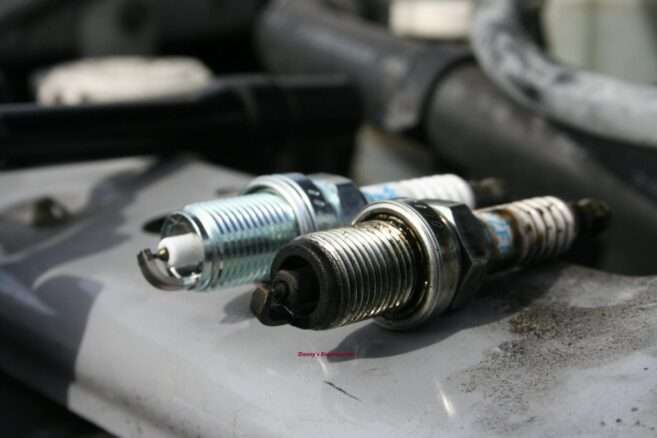
So, on older vehicles, install plugs at the recommended service intervals for preventive maintenance. Consequently, reducing the risk of engine misfires and maintaining peak engine performance.
Why Install New Spark Plugs
Installing new spark plugs is not a cure-all for driveability and emissions problems. But in most cases, can make a significant improvement.
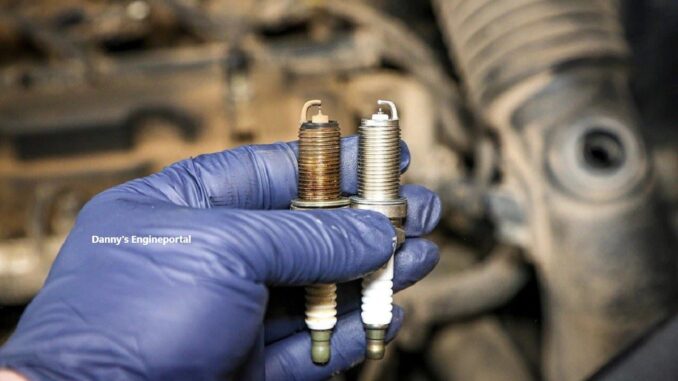
New spark plugs improve cold starting. Bad plugs are often responsible for many cold weather “no start” service calls. Many times the battery has been run dead while cranking the engine, because the plugs would not fire. When the old plugs are removed and examined, they are often found to be worn or dirty. Dirty spark plugs can cause fouling, which results in misfiring.
New spark plugs, reduce the voltage requirements on the ignition system. And decreases the chance of misfire, while leaving more amps for the starter and injectors.
Wet fouled plugs can also prevent an engine from starting. But in many instances the fouling problem, has nothing to do with spark plug wear or neglect.
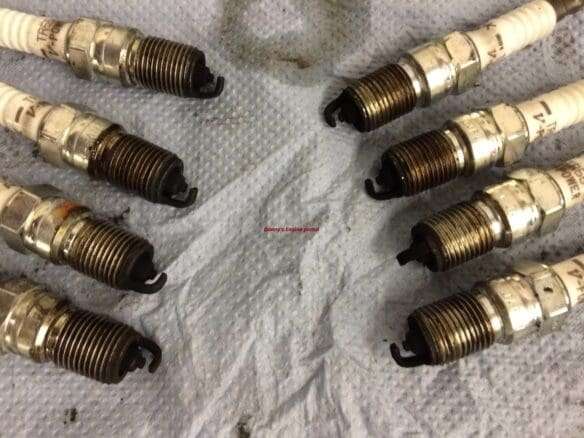
On fuel injected engines, wet fouling is less of a problem but can happen if a cold start injector leaks. Or, there is a fuel calibration problem that creates an overly rich startup mixture.
Also, new spark plugs minimize the risk of catalytic converter failure. A single misfiring plug can dump enough raw fuel into the exhaust to overheat and damage the converter.
You could have higher than normal quantities of unburned fuel in the exhaust. And that will cause the operating temperature of the converter to soar. Consequently, leading to a partial or complete meltdown of the converter.
This, in turn, may form a partial restriction or complete blockage in the exhaust. As a result, creating enormous backpressure and chokes off the engines ability to exhale. The engine may lack power, especially at higher speeds and deliver terrible fuel economy.
Signs You Need New Plugs:
- Engine has a rough idle.
- Having trouble starting your engine.
- Your engine misfires.
- Engine surging.
- High fuel consumption.
- Lack of acceleration.
The recommendations for spark plug replacement intervals, tend to be overly optimistic. So if you’ve already got 80,000 miles on a set of 100,000-mile plugs, they’re 80 percent worn. As a result, they are already taking a toll on engine performance and gas mileage. Worse yet, after that many miles, spark plugs have a tendency to seize in the cylinder head. So, replacing spark plugs early makes sense.
What If A Spark Plug Breaks ?
Removing a seized plug, can be a costly job. Especially if the threads in the cylinder head are damaged in the process. When you consider the gas mileage loss and the possibility of seized plugs, early replacement makes sense.
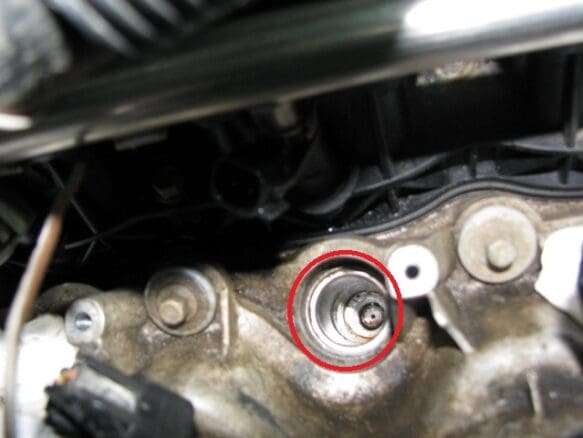
Here’s the trick on how to punch that porcelain center out, without getting porcelain in the cylinder. (This does not always work, but it may save you time and money.)
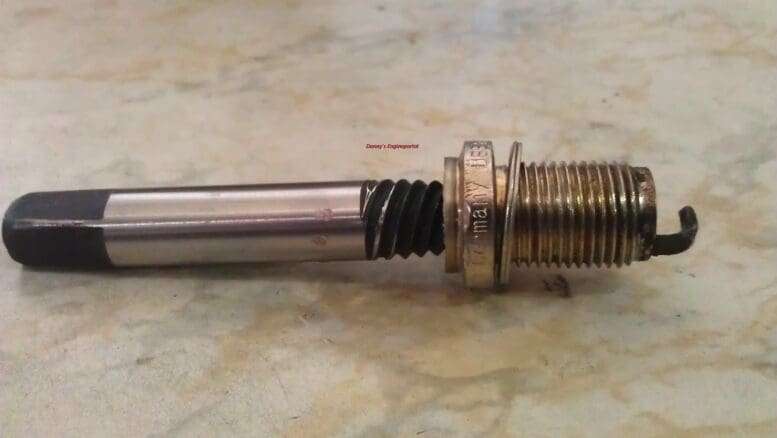
Turn over the engine and let the cylinder compression do the work for you. If you are lucky you will see the porcelain center, POP out of the body. This should leave the metal threads and base of the plug inside the plug hole. Finally, depending on the plug and hole size, find the correct easy out and remove the broken piece.
“Pro Tip” If you aren’t comfortable doing this, you should see a mechanic. As a mistake here could lead to debris in the combustion chamber.
In Summary:
In general, follow your manufacturer’s specifications for preventative maintenance to avoid costly repairs. Driving with misfiring plugs puts undue stress on your catalytic converter and your wallet. One last word of caution: ensure you aren’t buying ‘fake or counterfeit’ spark plugs. Only buy from verified retailers, as counterfeit plugs can lead to catastrophic engine failure.
“Pro TIP” Only buy from verified retailers, as counterfeit plugs can lead to catastrophic engine failure.
“Thanks For Reading!”