
At a certain time in your life, especially if you are a car guy or gal, you may find the need to do engine rebuilding, machining repairs.
Whatever your reasons are for tearing apart your engine you still might wonder how you should go doing the job.
So whether its a complete rebuild, a basic valve job or just fixing a broken part you may need a little extra help to get started.
Doing your own engine rebuilding, machining and repair can be very gratifying. Sometimes it’s a hobby and sometime its needed to get you car back on the road. Either way most people need a little help and direction.
Engine Rebuilding
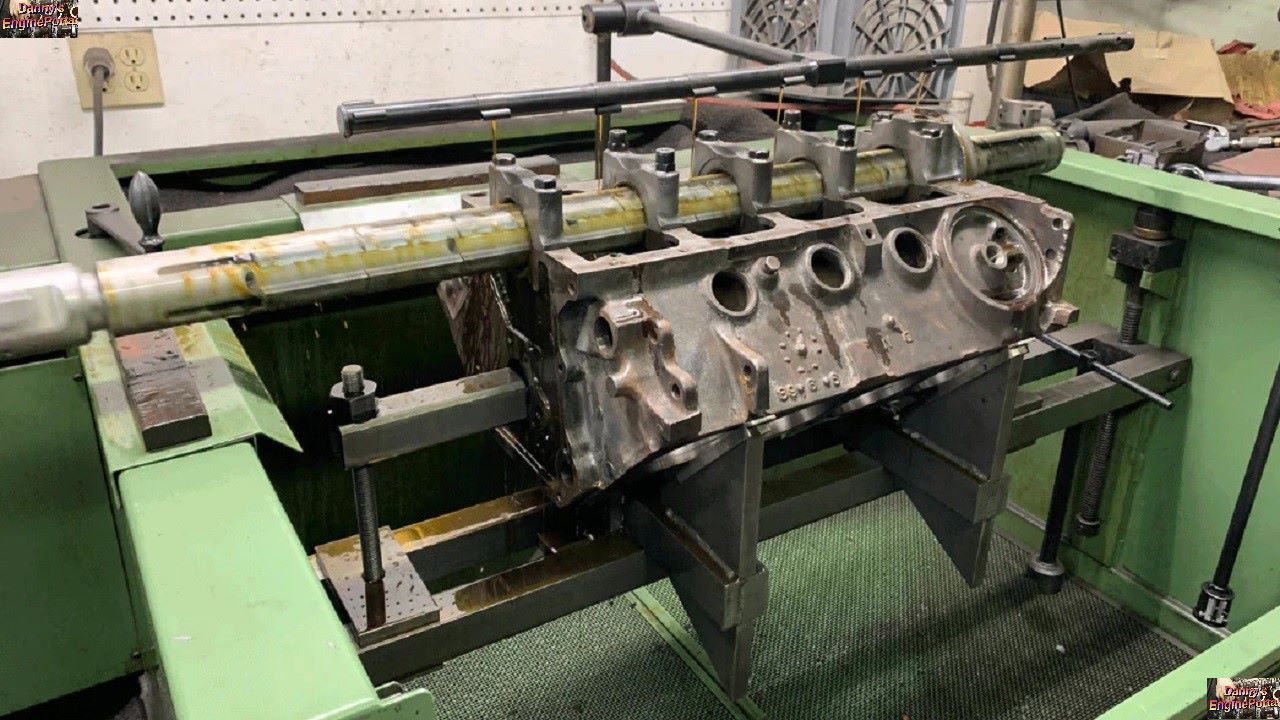
An engine rebuild—often referred to as an engine overhaul—is the process of removing an engine from a vehicle, completely disassembling it, cleaning and inspecting its components, and replacing or reconditioning the worn or broken parts to restore the engine to like-new condition. It is typically performed to save an engine with significant internal damage (like a cracked cylinder or blown head gasket) or severe wear from high mileage, extending the lifespan of your vehicle without the expense of buying a whole new car.
Related Posts
- Engine Rebuild Reasons – Low Compression And Oil Consumption
- Rebuilding And Remanufacturing: What Is The Difference
- Engine Replacement : A Comprehensive Guide, For Every Vehicle
Engine Machining
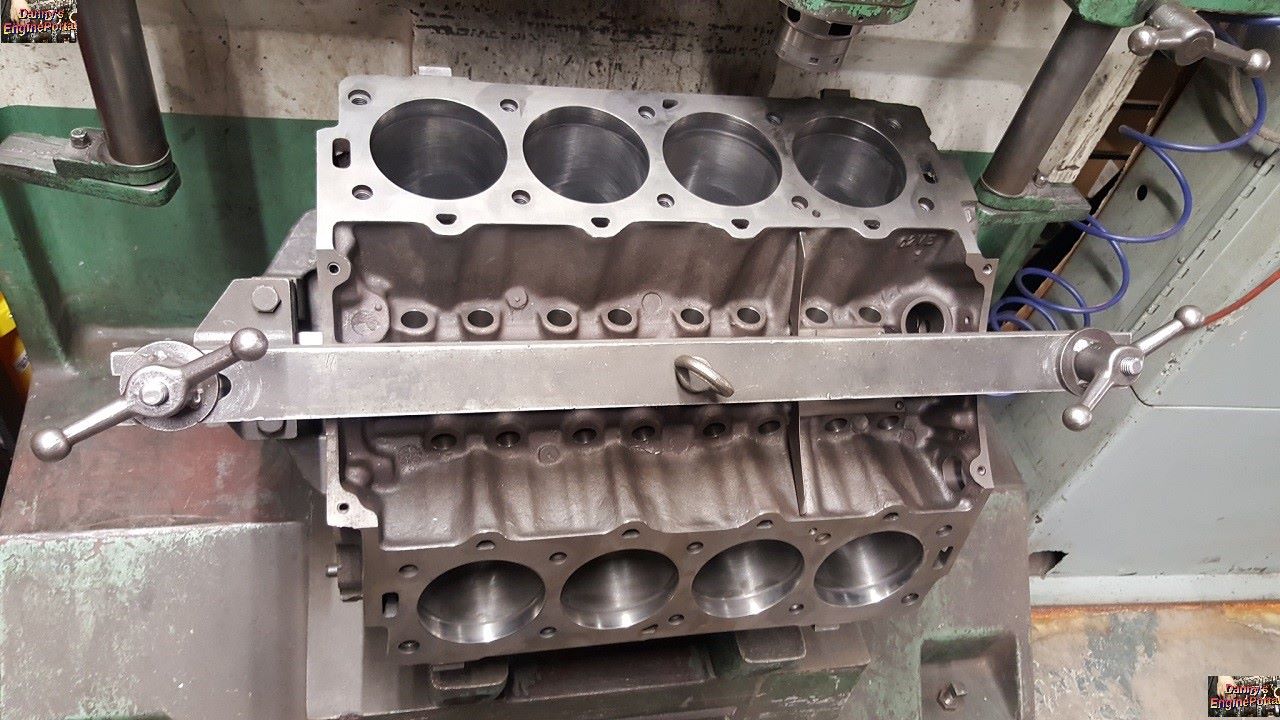
Engine machining refers to the precise mechanical processes used to repair, restore, or modify engine components. It is essentially automotive “heart surgery,” requiring specialized equipment to shave, bore, or polish metal parts to microscopically tight tolerances (often within a fraction of the thickness of a human hair).
Related Posts
- Ball Hone – How To Get The Perfect Finish, For Piston Ring Sealing
- Broken Bolt : Stud Removing : Can Be A Frustrating Waste Of Time
- Crankshaft Thrust Bearing Failure – Causes And Remedies
- Cylinder Head Resurfacing – Getting The Correct Surface Finish
- Cylinder Sleeve – How To Install A Cylinder Sleeve To Save A Block
- File Fit Piston Rings: The Ultimate Sealing Method
- Torque Specification – Torque To Yield – Torque, Plus Angle
- Valve Job: Why Would You Need One – Causes – What To Expect
- Valve Seats: Learn How To Install And Grind Valve Seats
Engine Repair
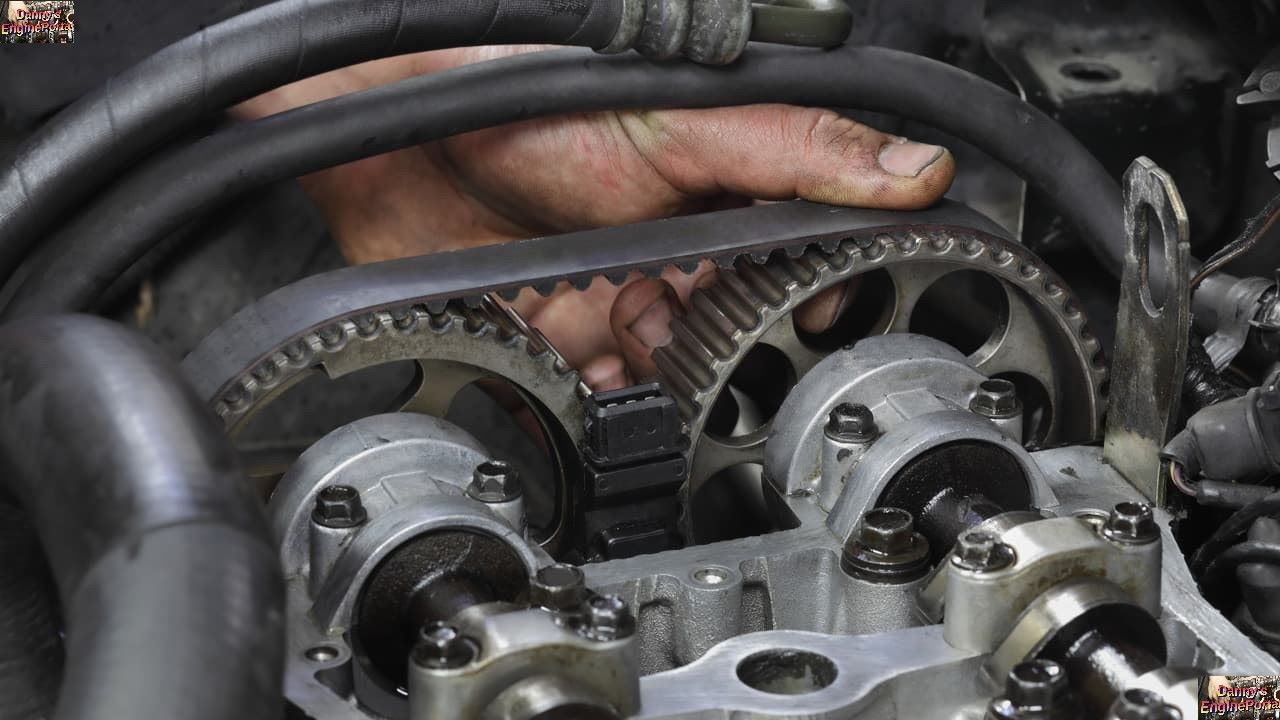
Engine repair involves fixing, rebuilding, or replacing critical components like head gaskets, timing chains, or ignition coils. Whether you are dealing with a standard vehicle or a small motor, prompt diagnosis and professional service prevent costly catastrophic failures down the road.
Related Posts
- ATV Tech Tips: if an ATV Repair Seems Overwhelming, it Probably is
- Auto Repair Basics: If You Drive, You Should Learn Basic Repairs
- Camshaft Position Sensor Symptoms, Testing & Replacement (CMP Guide)
- Crankshaft Position Sensor Symptoms, Testing & Replacement (CKP Guide)
- Engine Bearing Replacement: Understanding the Basics
- Engine Coolant Temperature Sensor: Step By Step Replacement
- Engine Misfire: Causes, Symptoms, Diagnosis & Fixes
- Engine Overheating: Causes, Symptoms, Diagnosis & Fixes
- Engine Troubleshooting – Common Problems With Solutions
- Engine Will Not Start, But Fuel, Spark And Compression Are Good
- Filters, Fluids and Maintenance: The Best Way to Make Your Car Last
- Fuel Pressure Regulator – Do You Have The Correct Fuel Pressure
- Honda OBD1 Codes: How to Read Check Engine Light Without a Scanner
- Interference vs. Non-Interference Engines: What You Need to Know
- Pushrods On G.M. 3.1-3.4 Engines – This Is Where Length Matters
- Rear Engine Oil Leaks: Finding The Real Location Of The Leak
- Torque Specification – Torque To Yield – Torque, Plus Angle
- Vacuum Leak Detection: How to Find & Fix Vacuum Leaks Safely
- Vacuum Leak Repair: Locations, Common Causes, Common Repairs
- Valve Guide Wear – How to Identify and Reduce Oil Consumption
- Valve Lash – Getting All The Facts For Setting And Adjustment
- Valve Lash Setting For Quiet Engine Performance