Modern engines rely on multiple sensors to manage ignition timing, fuel injection, and emissions control.
One of the most important of these is the camshaft position sensor, commonly called the CMP sensor.
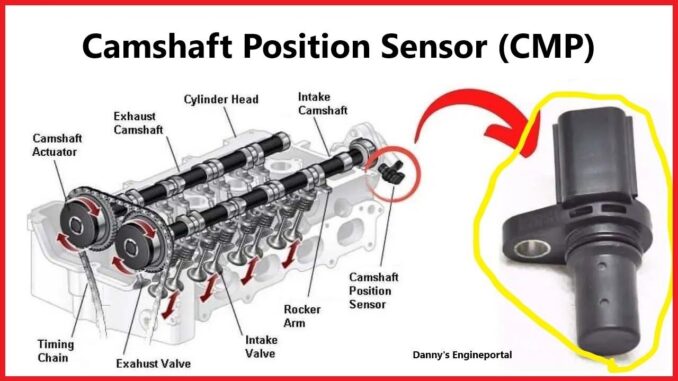
The CMP sensor monitors the position of the camshaft and sends this information to the engine control module ECM. The ECM uses this data along with the crankshaft position sensor CKP signal to determine cylinder position and control precise fuel and ignition timing.
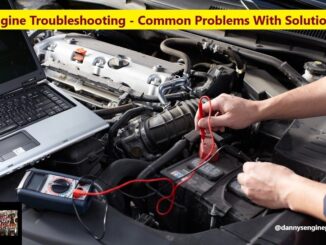
Failing camshaft position sensor symptoms include being unstable, the engine may run poorly, misfire, stall, or fail to start. In many cases, CMP sensor issues can be diagnosed with basic tools and a structured testing approach.
What Does A Camshaft Position Sensor Do?
The camshaft position sensor tracks the position and speed of the camshaft. And that controls the opening and closing of the engine’s valves.
The ECM uses the CMP signal to:
- Identify cylinder position (which cylinder is firing)
- Control sequential fuel injection
- Assist ignition timing control
- Coordinate with the crankshaft position sensor CKP
- Improve engine efficiency and emissions control
While the CKP sensor provides overall engine timing, the CMP sensor provides cylinder-specific timing information.
Without a valid CMP signal, the engine may still run in some cases. But performance and fuel control will be significantly affected.
Quick Diagnosis: Common Camshaft Position Sensor Symptoms
Failing camshaft position sensor symptoms can cause a wide range of problems.
| Symptom | What It Usually Indicates |
|---|---|
| Hard starting or extended crank | Loss of cam signal |
| Rough idle | Timing sync issues |
| Engine misfires | Incorrect cylinder timing |
| Poor fuel economy | Incorrect injection timing |
| Stalling | Intermittent signal loss |
| Check engine light | CMP-related fault code |
| No-start (some engines) | CKP/CMP correlation failure |
Where Is The Camshaft Position Sensor Located?
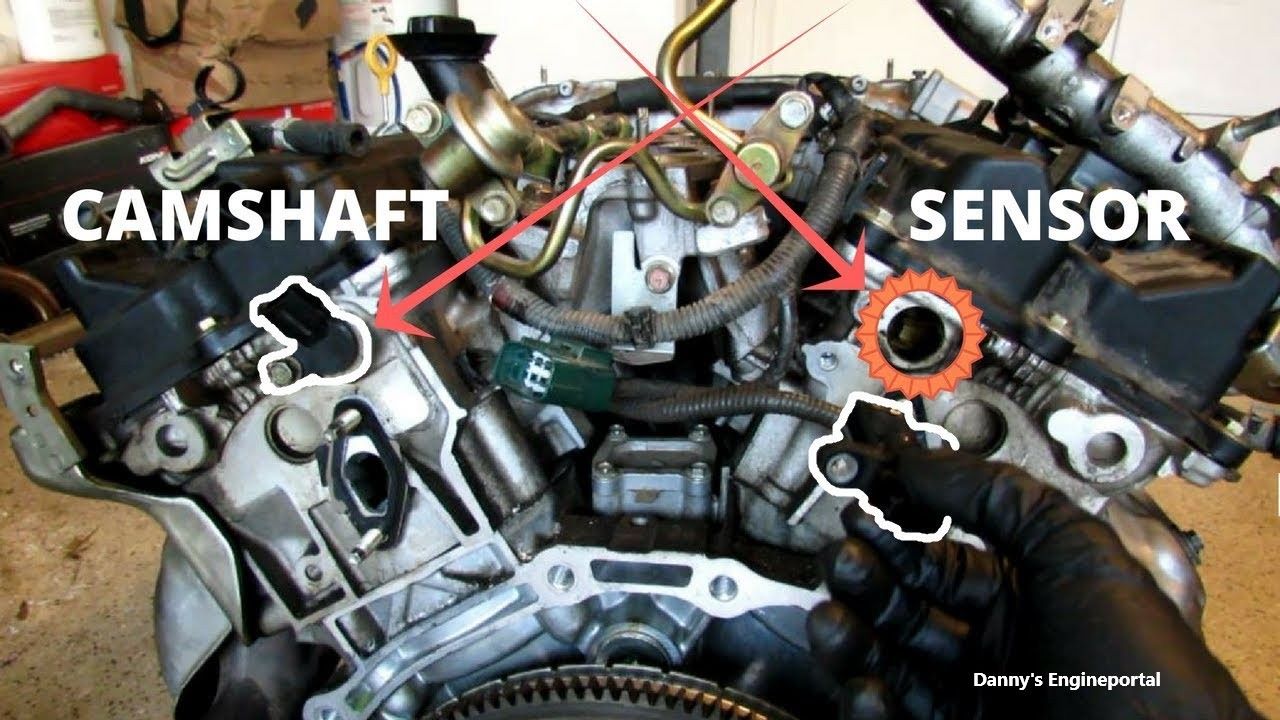
The CMP sensor is mounted on or near the cylinder head where it can read camshaft position directly.
Common locations include:
- Front or top of the cylinder head
- Near the timing cover
- Near camshaft sprockets
- Inside or near the valve cover area
Some engines may have multiple camshaft sensors (one per bank or per camshaft in dual overhead cam engines).
How A Camshaft Position Sensor Works
Most camshaft position sensors work using a reluctor wheel or cam target wheel attached to the camshaft.
As the camshaft rotates, the sensor detects the passing of reference points on the camshaft gear or tone ring. This produces a signal that is sent to the ECM.
The ECM uses this signal to determine:
- Which cylinder is on compression stroke
- Fuel injection timing sequence
- Valve timing synchronization
- Coordination with CKP sensor data
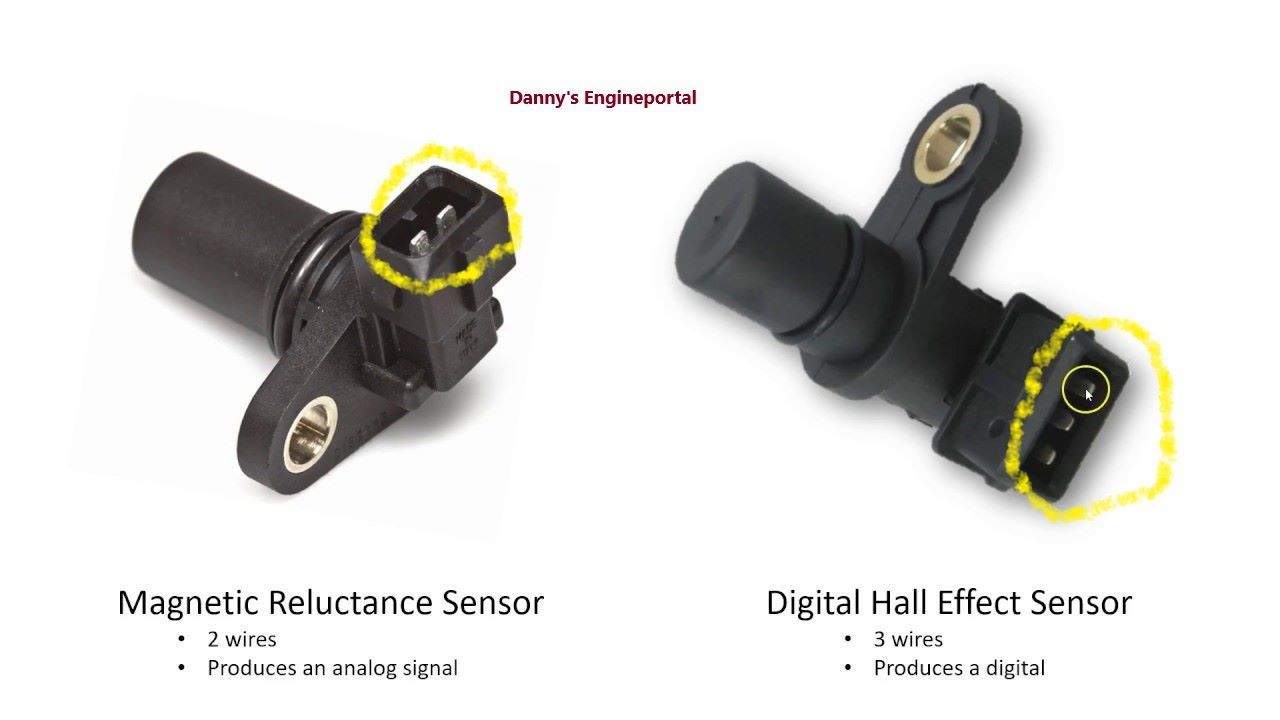
Types Of CMP Sensors
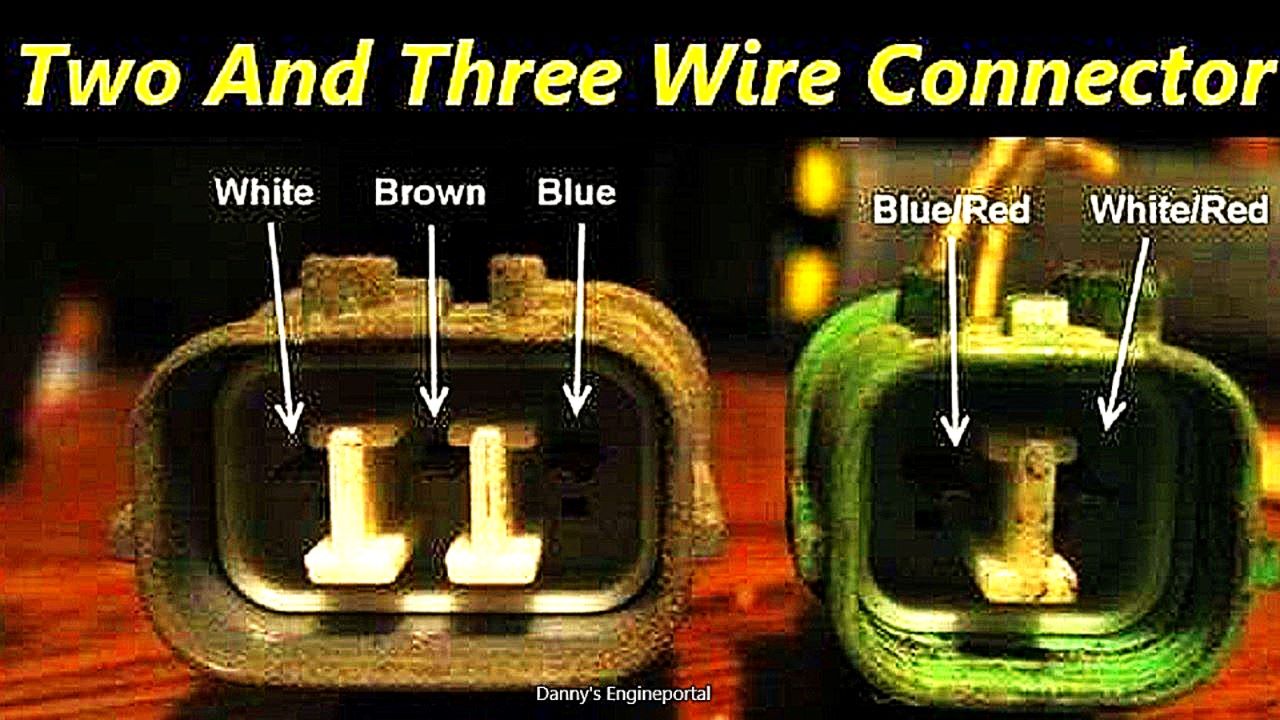
Magnetic (2-wire) CMP Sensors
These sensors generate their own AC voltage signal.
- Two wires
- No external power required
- Produces AC voltage signal
- Often found in older systems
Hall-effect (3-wire) CMP Sensors
These sensors produce a digital signal using a powered circuit.
- Power, ground, and signal wires
- Requires external voltage supply
- Produces a square-wave signal
- Common in modern engines
Common Symptoms Of A Bad Camshaft Position Sensor
CMP sensor failures can range from mild drivability issues to complete engine shutdown depending on system design.
1. Hard Starting Or Extended Cranking
A failing camshaft sensor may cause the engine to crank longer than normal before starting.
This happens because the ECM may struggle to determine cylinder position.
2. Rough Idle
Incorrect camshaft position data can disrupt fuel timing and valve synchronization, leading to rough idle.
Symptoms include:
- Engine vibration
- Unstable RPM at idle
- Uneven engine operation
3. Engine Misfires
Because the CMP sensor helps determine injection timing, a faulty signal can lead to misfires.
Common symptoms:
- Hesitation under load
- Jerking during acceleration
- Random misfire codes
- Reduced performance
4. Stalling
Intermittent CMP signal loss can cause sudden engine shutdown.
Typical behavior:
- Stalling at idle or while driving
- Restart after cooling down (in some cases)
- Random loss of engine timing sync
5. Poor Fuel Economy
Incorrect camshaft timing information can cause inefficient fuel delivery.
This may result in:
- Increased fuel consumption
- Poor combustion efficiency
- Loss of power
6. Check Engine Light
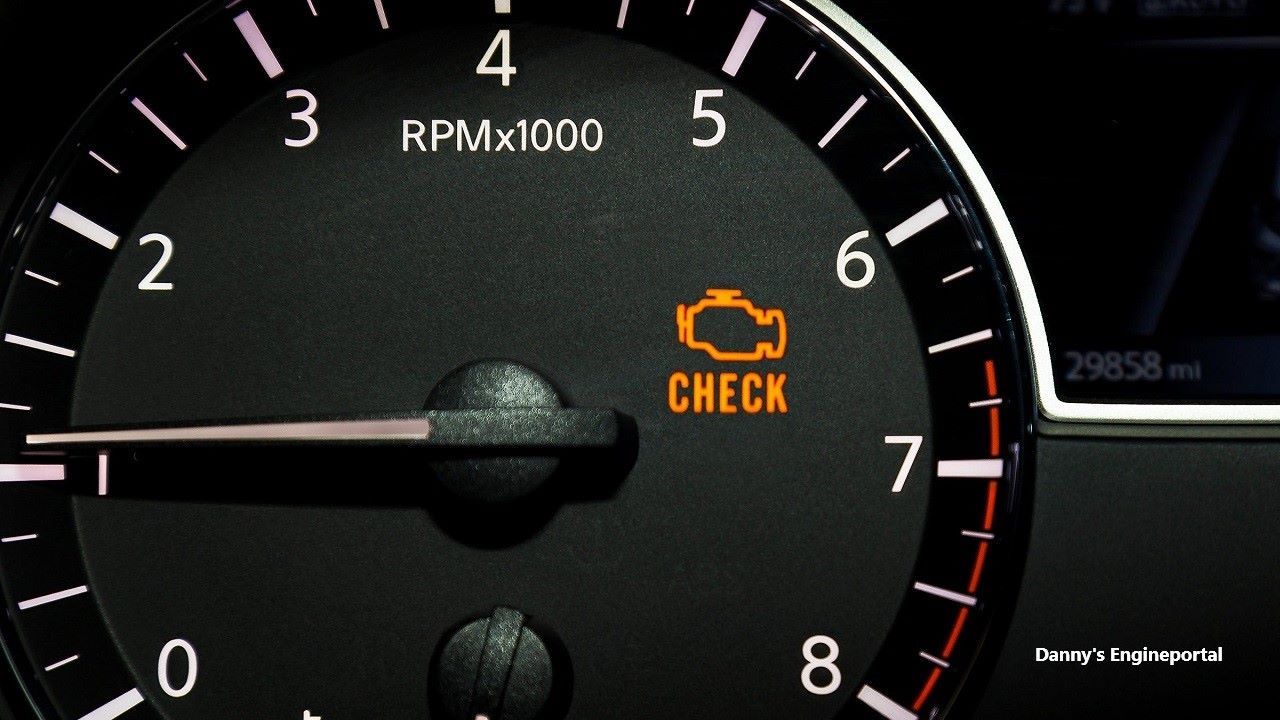
Common CMP-related trouble codes include:
- P0340 – Camshaft Position Sensor Circuit
- P0341 – Performance Issue
- P0342 – Low Input
- P0343 – High Input
- P0344 – Intermittent Signal
7. No-Start Condition (Timing Correlation Failure)
In many modern engines, a failed CMP signal combined with CKP data mismatch can prevent the engine from starting.
Common Causes Of CMP Sensor Failure
Camshaft position sensors can fail due to electrical, mechanical, or contamination issues.
Heat Damage
High engine temperatures causing overheating can damage internal sensor electronics over time.
Wiring Issues
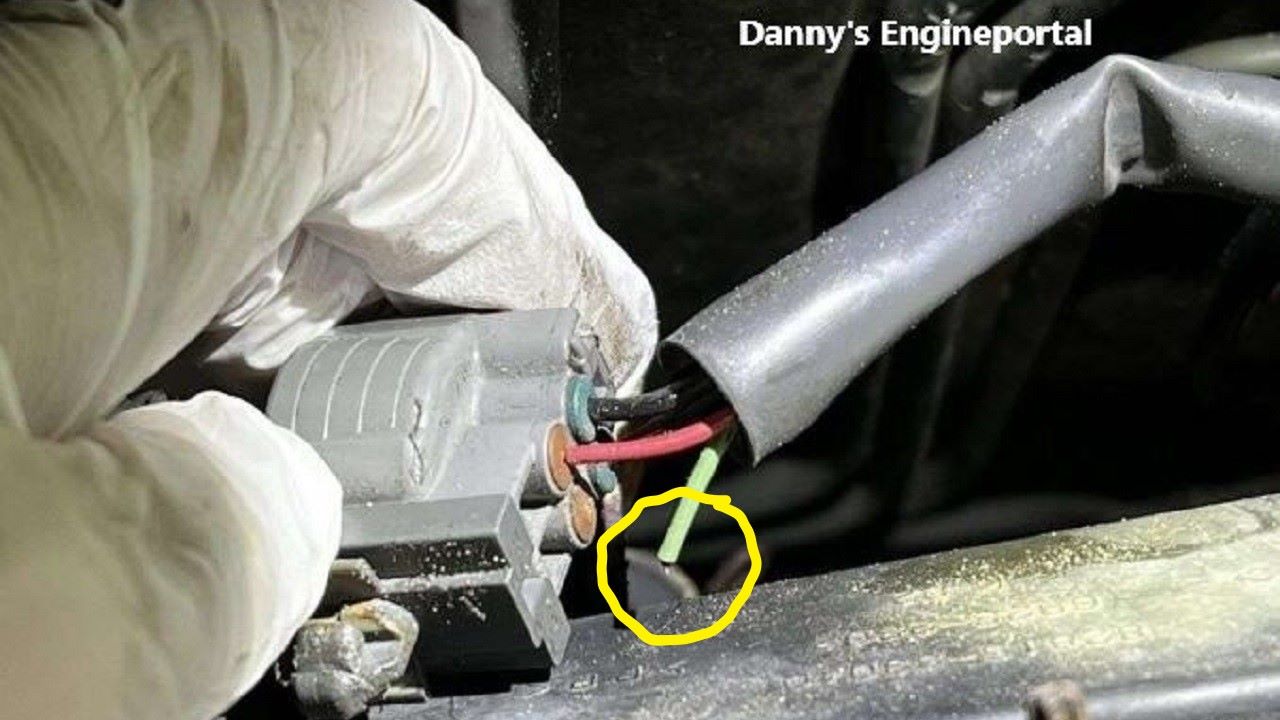
Check for:
- Broken wires
- Loose connectors
- Corrosion
- Oil contamination
- Damaged insulation
Oil Contamination
CMP sensors are often exposed to engine oil near the cylinder head. Oil leaks can interfere with signal accuracy.
Metal Debris (Magnetic Sensors)
Metal particles may affect signal strength and accuracy.
Timing Component Issues
Problems with timing chains or camshaft gears can also cause incorrect CMP readings.
How To Test A Camshaft Position Sensor
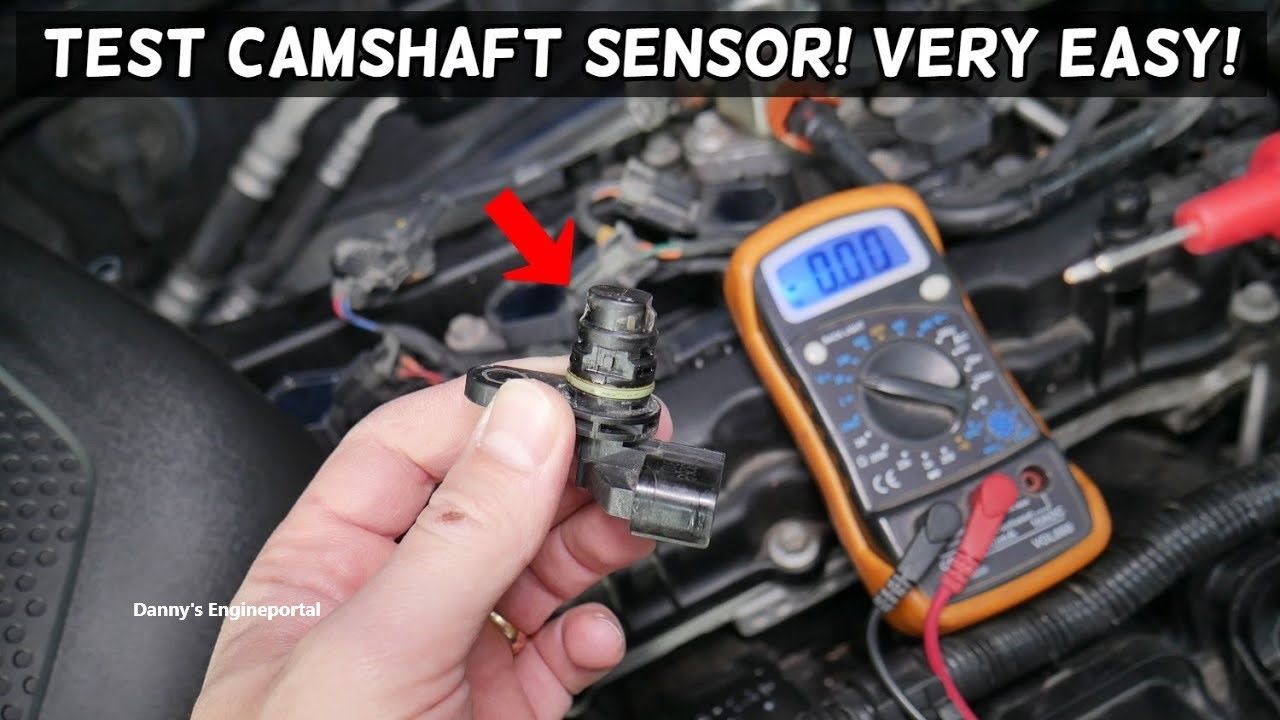
Before replacing the sensor, proper diagnosis is essential.
Step 1: Scan For Trouble Codes
Check for:
- CMP-related codes
- CKP/CMP correlation codes
- Misfire codes
Freeze-frame data helps identify intermittent failures.
Step 2: Inspect Wiring And Connector
Inspect for:
- Corrosion
- Oil contamination
- Loose terminals
- Damaged wiring
Step 3: Resistance Test (2-wire sensors)
Measure resistance and compare with manufacturer specifications.
Step 4: Signal Voltage Test
For magnetic sensors:
- Use AC voltage setting
- Crank engine
- Verify signal output
Step 5: Power And Ground Check (3-wire sensors)
Verify:
- Proper voltage supply
- Good ground
- Signal switching output
Step 6: Scan Tool Data Check
Monitor live data for:
- Camshaft signal presence
- RPM sync status
- CKP/CMP correlation
If signal is missing or unstable → suspect CMP circuit or sensor.
CMP Sensor Vs CKP Sensor
The camshaft and crankshaft sensors work together to control engine timing.
Camshaft Position Sensor CMP
- Tracks camshaft position
- Determines cylinder identification
- Controls fuel injection sequencing
Crankshaft Position Sensor CKP
- Tracks crankshaft rotation
- Provides engine RPM
- Sets base timing reference
The ECM compares both signals to ensure accurate ignition timing and proper engine synchronization.
Can A Bad CMP Sensor Cause A No-Start Condition?
Yes, especially in modern engines.
A failed camshaft position sensor may prevent:
- Injector sequencing
- Proper ignition timing
- Cam/crank synchronization
This can result in a crank-no-start condition.
Can A CMP Sensor Fail Intermittently?
Yes. Intermittent failure is common, especially when heat affects internal electronics or wiring integrity.
Symptoms include:
- Random stalling
- Hard hot starts
- Intermittent misfires
- Sudden loss of sync signal
How To Replace A Camshaft Position Sensor
General replacement steps:
- Disconnect battery
- Locate CMP sensor
- Disconnect electrical connector
- Remove mounting bolt
- Remove sensor
- Install new sensor
- Reconnect wiring
- Clear codes
- Test engine operation
Some vehicles may require cam/crank relearn procedures.
Tips When Replacing A CMP Sensor
To avoid repeat issues:
- Use quality OEM or equivalent sensors
- Inspect wiring and connectors
- Fix oil leaks first
- Check timing system health
- Clear fault codes after installation
Cheap sensors can cause repeat failures or false codes.
Frequently Asked Questions
Can A Car Run With A Bad Camshaft Position Sensor?
Yes in some cases, but performance will usually be reduced and may trigger limp mode or misfires.
Will A Bad CMP Sensor Always Set A Code?
No. Intermittent faults may not immediately trigger a code.
Can A CMP Sensor Affect Fuel Economy?
Yes. Incorrect cam timing information can reduce fuel efficiency.
How Long Does A CMP Sensor Last?
Often 100,000+ miles, depending on heat and oil exposure.
Is CMP Sensor Replacement Difficult?
It depends on engine layout. Some are easy, others require significant disassembly.
Final Thoughts
The camshaft position sensor plays a critical role in modern engine management. It helps the ECM determine cylinder position and fuel injection timing. When it begins to fail, symptoms can range from rough idle and misfires to stalling and no-start conditions.
Because CMP issues often overlap with crankshaft sensor and wiring problems, proper diagnosis is essential before replacement. A structured testing approach helps ensure accurate repair and prevents unnecessary parts replacement.