
Cylinder head gasket leaks are every driver’s nightmare.
It often starts as a small leak but can lead to a destroyed engine and a massive repair bill if you don’t catch it early.
You cannot see the gasket without removing the cylinder head. Therefore, finding the exact leak location is often difficult. These leaks can be either internal or external.
Why Cylinder Head Gasket Leaks Are Serious
Above all, cylinder head gasket leaks are common and very expensive. Knowing the signs can save your engine from total failure.
Ignoring these signs leads to a much higher head gasket repair cost if the cylinder head is warped.
What are the most common blown head gasket symptoms?
- Compression loss: This leads to power reduction, rough idle and engine misfires.
- Excessive pressure: You may find exhaust gases in the cooling system.
- Engine overheating: This often happens when engine oil mixes with coolant.
One symptom alone may not prove a gasket failure. However, having multiple symptoms increases the chances dramatically. Knowing these signs steers you in the right direction for repairs.
What is the Difference Between an Internal and External Gasket Leak?
Internal leaks allow coolant into the combustion chamber. They also force exhaust gases into the coolant. This creates bubbles that look like boiling water. These bubbles are actually exhaust gases entering the cooling system.
Coolant in the crankcase also dilutes your engine oil. This contamination destroys lubrication. Your engine bearings will wear out first. You might also hear a loud lifter ticking noise.
Warning: Internal leaks do not always mean a bad gasket. Hairline cracks in the head or block cause similar issues.
How to Test for Cylinder Head Gasket Leaks
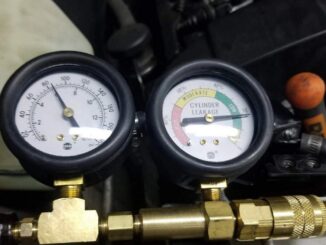
One method for finding a leak is a pressure test. Remove the spark plug from the suspect cylinder. Apply air pressure to that cylinder. If air enters the cooling system, that cylinder is leaking. Drive your vehicle as little as possible if you suspect any leaks.
Checklist of Gasket Failure Symptoms:
- Coolant leaking from below the exhaust manifold.
- The engine overheats quickly.
- Bubbles appearing in the radiator.
- Significant coolant loss with no visible external leaks.
- White smoke from the tailpipe is a classic sign of an internal leak, as it means your engine is burning coolant instead of just fuel.
- Check your dipstick—if the oil looks like a chocolate milkshake, you likely have coolant contamination.

Hot gases moving past the gasket can warp the metal. This results in costly machining bills. You may even need a new engine.
Secondary Damage: Catalytic Converters
Coolant in the exhaust system blocks air passages. It creates heavy carbon deposits on the ceramic catalyst. These deposits prevent the converter from reducing harmful emissions. They also clog the unit and block exhaust flow.
This increases back pressure and heat in the engine compartment. If a large amount of coolant leaks, hydro-lock can occur. This causes permanent engine destruction.
What Does a Head Gasket Actually Do?
Head gaskets seal three different types of fluids:
- Combustible air and fuel mixtures.
- Water-based coolants.
- Engine oil for lubrication.
The gasket seals the passages between the head and block. Any leak here causes engine failure. Blue exhaust smoke usually means you are burning oil. However, white exhaust smoke indicates you are burning coolant.
Modern aluminum engines have high expansion rates. Manufacturers now add Teflon coatings to gaskets. This allows the head to slide slightly without damaging the seal.
Summary: Prevent Cylinder Head Gasket Leaks
Extreme engine temperature is the main cause of cylinder head gasket leaks. Low coolant levels lead to rapid overheating. Modern engines use many different materials, so gaskets will eventually fail. Have repairs done immediately to avoid further engine damage.
Pro Tip: If you see white smoke or a milky dipstick, do not attempt to ‘limp’ the car home. Towing it now could save you from needing a completely new engine later.