Engine noises often indicate underlying mechanical issues, ranging from minor maintenance needs to severe damage.
Understanding these engine noises can help you catch issues early, keep your car running safely, and avoid unexpected breakdowns.
Key sounds include metallic knocking (engine damage or low-quality fuel), high-pitched squealing (worn drive belts), tapping/ticking (low oil or valve issues), or hissing (vacuum/cooling system leaks). Identifying these early can prevent costly repairs.
Do you hear engine noises? What do you Hear and when do you hear it can be the start of finding if its bad or just annoying.
Here is a breakdown of engine parts and their associated noises:
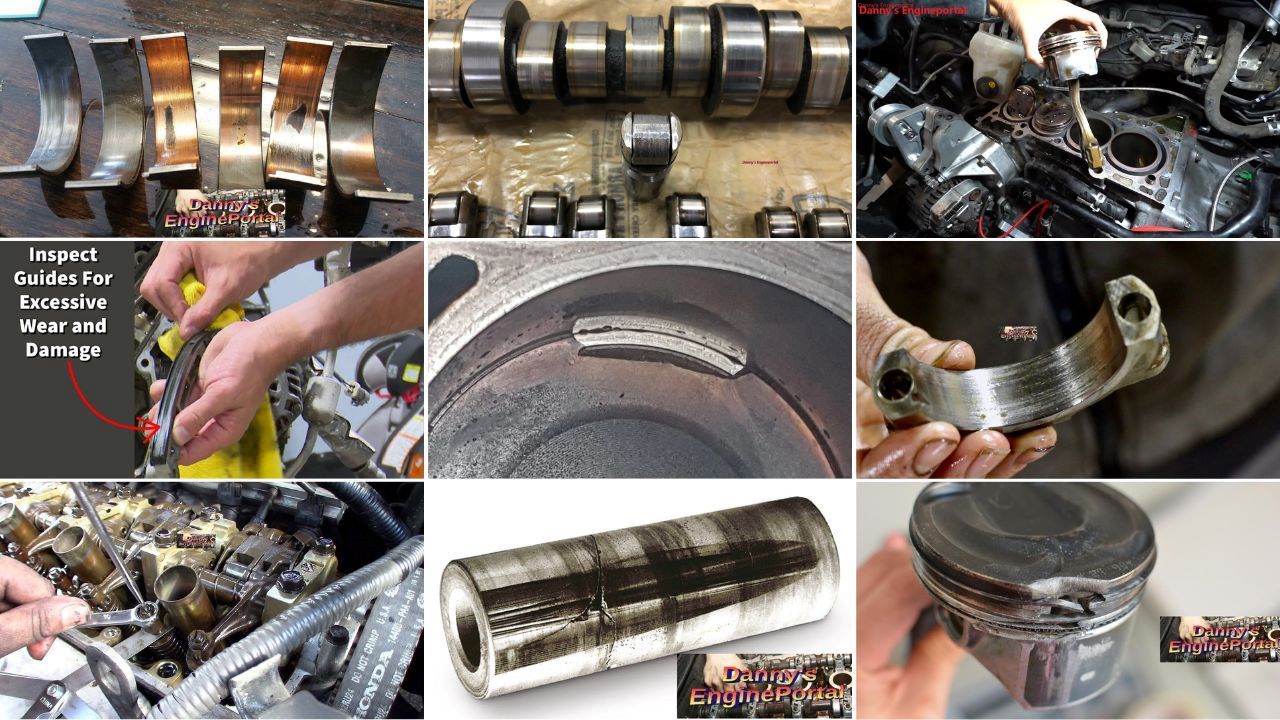
- Valve Train (Valves, Lifters, Camshaft): Clicking, tapping, or ticking noises that increase with engine speed, often caused by improper oil pressure or worn components.
- Accessory Belts/Pulleys (Alternator, A/C, Power Steering): A high-pitched squeal or chirping, particularly upon starting or during acceleration, usually indicating loose or worn-out belts.
- Connecting Rods/Crankshaft Bearings: A loud, deep metallic knocking or banging noise, especially under load, which can indicate serious engine failure.
- Pistons: A “piston slap” creates a hollow tapping sound, often louder when the engine is cold.
- Timing Chain/Belt: A rattling sound, particularly at idle, indicating a loose or worn chain/belt, or failing tensioners.
- Exhaust System (Manifold, Heat Shield): Hissing or ticking near the exhaust manifold often indicates a leak, while rattling under the car can indicate a loose exhaust pipe or heat shield.
- Vacuum System: A hissing sound after turning off the engine might indicate a vacuum leak.
- Spark Plugs: A knocking, pinging, or rhythmic tapping can indicate a misfire or improper ignition timing.
- Water Pump: A whining or whirring noise, often indicating bearing failure.
Key Takeaways for Diagnosis
- Ticking/Tapping: Usually valvetrain, oil, or exhaust leaks.
- Knocking: Usually bearings, rods, or detonation (fuel issues).Squealing: Almost always belts or pulleys.
- Hissing: Usually leaks (vacuum or coolant).
Related Posts
- Abnormal Exhaust Noise, Common On 02-05 Ford 6.0L Diesels
- Common Engine Problems – Noises, Leaks, Overheating, And Fuel
- Engine Knocking – Pinging – Rattling Noise – Most Common Causes
- Engine Knocking Ticking Noise – Is This The End Of Your Engine
- Engine Noise: Common Causes and Solutions
- Engine Noises: Where Are They Coming From: Are They Bad
- Engine Rattling Noise – Reasons You May Have Them – Solutions
- Flexplate – What Does It Do ? – What Can Happen If It Fails ?
- Hydraulic Valve Lifter Noise: Usually, A Ticking Or Tapping
- Mechanical Fuel Pumps – Everything You Need To Know
- Valve Lash – Getting All The Facts For Setting And Adjustment
- Valve Lash Setting For Quiet Engine Performance
- Valve Train Noise – Where Is It Coming From ? – Is It Bad ?
- Vehicle Noise: What Do You Hear And When Do You Hear It?
- Water Pump Noise: Signs of Failure and Potential Engine Damage