My Banner
  • Home
  • Blog
  • About
HomeHow Car Engines Work

How Car Engines Work

Understanding how car engines work is essential for diagnosing problems and performing accurate repairs. The internal combustion engine converts fuel into mechanical power using a combination of precisely timed components.

This category explains engine components and systems in detail, including pistons, crankshafts, camshafts, and timing mechanisms. It’s designed as a foundation for both beginners and experienced DIY mechanics.

What you’ll learn:

  • How engine components work together
  • Basic engine operation and combustion cycles
  • Common internal engine failures

If you want to understand engines before diving into repairs, this is your starting point.

👉 For diagnostics and repairs, see: Engine Maintenance & Troubleshooting

pressing start stop button in car, but won't start.
Engine Troubleshooting and Diagnosis

Engine Won’t Start: Causes, Diagnosis & Fixes

04/09/2026
When an engine won’t start, it usually means one of the essential systems required for combustion is not working properly, leading to a no start condition. This can range from a simple battery issue to —READ-MORE
OBD scanner shows code P0300, indicating a random or multiple cylinder misfire.
Engine Troubleshooting and Diagnosis

Engine Misfire: Causes, Symptoms, Diagnosis & Fixes

04/08/2026
An engine misfire occurs when one or more cylinders fail to burn the air-fuel mixture properly. This disrupts engine balance, reduces power, and can lead to serious damage if not diagnosed and repaired quickly. Misfires —READ-MORE
Close-up of performance engine camshaft and flat-tappet lifters being lubricated with high-zinc engine oil.
Engine Oil System and Lubrication Problems

Low Zinc Engine Oil Guide: How to Protect Flat Tappet Cams

03/31/2026
The Problem with Modern Low-Zinc Oils: Is Your Engine at Risk? For decades, “zinc” was synonymous with engine health. But if you’ve walked down the oil aisle lately, you might have noticed a shift. Modern —READ-MORE
Reading A Vacuum Gauge
Engine Troubleshooting and Diagnosis

Engine Vacuum Gauge Test: A Simple Guide

03/11/2026
An old-school engine vacuum gauge test is a powerful ally. Because, it provides a direct window into your engine’s soul. This tool is often forgotten in the digital age. Yet, it can diagnose an engine —READ-MORE
Interference Or Non-Interference Engines, Timing Is Everything
How Car Engines Work

Interference vs. Non-Interference Engines: What You Need to Know

03/07/2026
The Hidden Danger: Interference vs. Non-Interference Engines So, every driver should understand their car’s engine design. It can mean the difference between a small bill and a total loss. This guide explains why engine timing —READ-MORE
new piston with rings installed
How Car Engines Work

Worn Piston Rings: A Guide to Blow-by and Installation

02/19/2026
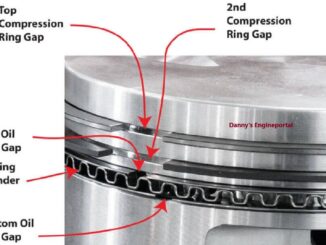
What are the First Signs of Worn Piston Rings? The most common indicator of internal engine wear is engine blow-by. This occurs when the seal between the piston and the cylinder wall fails. If you —READ-MORE
Guide to car engine noise diagnosis and troubleshooting.
Engine Troubleshooting and Diagnosis

Engine Noises: Where Are They Coming From: Are They Bad

02/11/2026
Engine noises are your engine talking to you—are you listening? Learning to decode rhythmic taps, heavy knocks, and high-pitched pings can save you thousands in repair bills. With a little practice, you can gain the —READ-MORE
Engine Damage – Look for Deterioration, Before It’s Too Late
How Car Engines Work

Engine Damage – Look for Deterioration, Before It’s Too Late

02/06/2026
It’s not always easy to recognize, when your vehicle is suffering from possible engine damage. Many symptoms can be overlooked and seen as “normal.” engine damage While not all symptoms may threaten the life of —READ-MORE
Top Dead Center - Is When the Piston Is at the Top of Its Stroke
How Car Engines Work

Top Dead Center – Is When the Piston Is at the Top of Its Stroke

02/02/2026
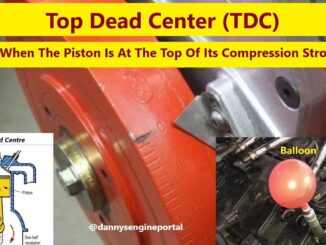
Top Dead Center (TDC) refers to, the point when the piston is at the absolute top of its stroke. So, a piston can be at Top Dead Center (TDC), on the compression stroke or on —READ-MORE
Valve Lash Setting – Top End Ticking Noise, Usually The First Sign
Engine Troubleshooting and Diagnosis

Valve Lash Setting For Quiet Engine Performance

01/08/2026
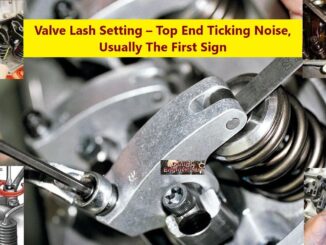
Valve lash setting, is something most drivers don’t even think about. First, you need to know if you even have an adjustable valve train for valve lash setting. In most cases, you will not have —READ-MORE

Posts pagination

« 1 2 3 … 11 »

Search by recent posts

  • No Spark: When Your Engine Cranks, But Has No Spark
  • Engine Bottom End Parts: Know The Parts Inside Your Engine
  • (EVAP) Evaporative Emission System Explained
  • Rear Main Rope Seal Installation Tips and Tricks
  • Coolant Mixed With Oil: Causes and Solutions
  • Bubble Test: Used in Conjunction, With a Cylinder Leak Down Test
  • Fuel Pump Related No Start Problems: What Should You Check
  • Emission Thermactor Plugs: For Small Block Ford Cylinder Heads
  • File Fit Piston Rings: The Ultimate Sealing Method
  • Abnormal Exhaust Noise: Common On 6.0L Diesels

Search by category

  • Car Cooling and Heating System Problems
  • Engine Gasket and Seal Problems
  • Engine Oil System and Lubrication Problems
  • Engine Sensors and Diagnostic Systems
  • Exhaust and Emissions System Problems
  • Fuel System Problems and Diagnosis
  • How Car Engines Work
    • Engine Troubleshooting and Diagnosis
  • Ignition and Electrical System Problems

Search by tag

air fuel mixture imbalance camshaft carbon buildup check engine light coolant coolant in oil coolant leak crank no start crankshaft cylinder head engine bearings engine damage engine hesitation engine knocking engine misfire engine noise engine oil engine overheating fuel delivery problem fuel injector fuel pump head gasket ignition coil ignition failure loss of power low compression mass airflow sensor no crank no start condition oil consumption oil leak oil pressure sensor oil pump piston rings poor fuel economy radiator rough idle spark plugs thermostat ticking noise timing belt trouble codes vacuum leak valves visual inspection
Main Navigation
  • Home
  • Blog
  • About
  • Privacy Policy Copyright

COPYRIGHT © 2026 Danny's Engineportal by Danny Bender

We use cookies on our website to give you the most relevant experience by remembering your preferences and repeat visits. By clicking “Accept”, you consent to the use of ALL the cookies.
Do not sell my personal information.
Cookie settingsACCEPT
Privacy & Cookies Policy

Privacy Overview

This website uses cookies to improve your experience while you navigate through the website. Out of these cookies, the cookies that are categorized as necessary are stored on your browser as they are essential for the working of basic functionalities of the website. We also use third-party cookies that help us analyze and understand how you use this website. These cookies will be stored in your browser only with your consent. You also have the option to opt-out of these cookies. But opting out of some of these cookies may have an effect on your browsing experience.
Necessary
Always Enabled
Necessary cookies are absolutely essential for the website to function properly. This category only includes cookies that ensures basic functionalities and security features of the website. These cookies do not store any personal information.
Non-necessary
Any cookies that may not be particularly necessary for the website to function and is used specifically to collect user personal data via analytics, ads, other embedded contents are termed as non-necessary cookies. It is mandatory to procure user consent prior to running these cookies on your website.
SAVE & ACCEPT