• Bluesky
  • Facebook
  • Instagram
  • Linkedin
  • Pinterest
  • Reddit
  • Threads
  • X
Danny's Engineportal Site Logo 300x100
  • Home
  • Blog
  • About
HomeHow Car Engines Work

How Car Engines Work

Understanding how car engines work is essential for diagnosing problems and performing accurate repairs. The internal combustion engine converts fuel into mechanical power using a combination of precisely timed components.

This category explains engine components and systems in detail, including pistons, crankshafts, camshafts, and timing mechanisms. It’s designed as a foundation for both beginners and experienced DIY mechanics.

What you’ll learn:

  • How engine components work together
  • Basic engine operation and combustion cycles
  • Common internal engine failures

If you want to understand engines before diving into repairs, this is your starting point.

👉 For diagnostics and repairs, see: Engine Maintenance & Troubleshooting
Cylinder Head Resurfacing - Getting The Correct Surface Finish
How Car Engines Work

Cylinder Head Resurfacing – Getting The Correct Surface Finish

11/05/2025
Cylinder head resurfacing is a very common process today, especially with all the leaking head gaskets. Above all, cylinder head resurfacing is the most common machining operation, done in machine shops to date. However, many —READ-MORE
Valve Guide Wear – How to Identify and Reduce Oil Consumption
How Car Engines Work

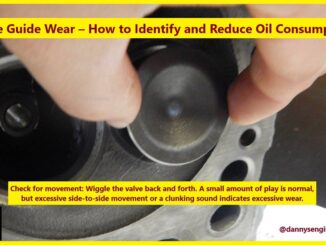
Valve Guide Wear – How to Identify and Reduce Oil Consumption

10/25/2025
Valve guide wear, refers to excessive clearance, between valve stem and guide. As the guide wears, the side to side movement, can cause valves to seat improperly. As a result, requiring you to need a —READ-MORE
Cylinder Power Balance Testing - Uncover Hidden Engine Issues
How Car Engines Work

Cylinder Power Balance Testing – Uncover Hidden Engine Issues

10/19/2025
So, performing a cylinder power balance test can help uncover hidden engine problems; which are commonly missed with other tests. This test can help diagnosing engine misfires, lack of power, or just a poor running —READ-MORE
Timing Belt Basics - Avoid the Unexpected Cost of Engine Damage
How Car Engines Work

Timing Belt Basics – Avoid the Unexpected Cost of Engine Damage

10/14/2025
A timing belt is one of those things that’s critical to replace; according to the auto manufacturer’s schedule. Timing belt replacement is most often between every 75,000 and 100,000 miles. So, check your owner’s manual —READ-MORE
Pushrods On G.M. 3.1-3.4 Engines - This Is Where Length Matters
How Car Engines Work

Pushrods On G.M. 3.1-3.4 Engines – This Is Where Length Matters

09/26/2025
Exhaust and Intake Pushrods, on G.M. 3.1 and 3.4 engines are different lengths. So, quite often we still see bent push rods and valves, when they are mixed up. Consequently, Exhaust pushrods on G.M. 3.1 —READ-MORE
Crankshaft Thrust Bearing Failure - Causes And Remedies
How Car Engines Work

Crankshaft Thrust Bearing Failure – Causes And Remedies

09/16/2025
For years, both transmission and engine rebuilders, have struggled at times, to determine the cause, of crankshaft thrust bearing failure. Diagnosing a crankshaft thrust bearing failure, can sometimes be simple, but often is tricky. And, —READ-MORE
Variable Valve Timing (VVT) - Function And Its Advantages
How Car Engines Work

Variable Valve Timing (VVT) – Function And Its Advantages

09/12/2025
So, variable valve timing (VVT) adjusts the opening times and lift of the valves, to suit all operating conditions. This ensures ideal charge cycles, within a wide range of engine speeds and loads. Fuel consumption —READ-MORE
Engine Rebuild Reasons - Low Compression And Oil Consumption
How Car Engines Work

Engine Rebuild Reasons – Low Compression And Oil Consumption

08/29/2025
So, the most common reasons to do a engine rebuild are, loss of compression and or excessive engine oil consumption. Consequently, what’s important now, is to recognize the signs of trouble, before you end up —READ-MORE
Engine Stalling - Proper Troubleshooting And Maintenance
Engine Troubleshooting and Diagnosis

Engine Stalling – Proper Troubleshooting And Maintenance

08/25/2025
Engine stalling problems, can be hard to find and are often, sensor or temperature related. And, are more likely to occur, during cold weather or when starting a cold engine. So, this kind of engine —READ-MORE
Vacuum Test Basics - What To Check And How To Do It
How Car Engines Work

Vacuum Test Basics – What To Check And How To Do It

08/15/2025
First, doing a vacuum test, can tell you more about your engine, than you think. And, it is one of the easiest and least expensive ways, to check an engine for serious issues. So, engine —READ-MORE

Posts pagination

« 1 2 3 4 … 11 »

Search by recent posts

  • Oil Mixed With Coolant: Causes and Effects
  • Rocker Arms Dislodging: Along With Valve Seats Falling Out
  • Automatic Shutdown (ASD) Relay: Function – Failure – Testing
  • Thermostat Problems: Will Affect Your Engine’s Performance
  • Diesel Engine Issues: The Answers May Be In The Exhaust Smoke
  • Cylinder Leak Down Test: What Are The Results Telling You
  • Rear Engine Oil Leaks: Finding The Real Location Of The Leak
  • Camshaft Position Sensor Symptoms, Testing & Replacement (CMP Guide)
  • Crankshaft Position Sensor Symptoms, Testing & Replacement (CKP Guide)
  • Honda OBD1 Codes: How to Read Check Engine Light Without a Scanner

Search by category

  • Car Cooling and Heating System Problems
  • Engine Gasket and Seal Problems
  • Engine Oil System and Lubrication Problems
  • Engine Sensors and Diagnostic Systems
  • Exhaust and Emissions System Problems
  • Fuel System Problems and Diagnosis
  • How Car Engines Work
    • Engine Troubleshooting and Diagnosis
  • Ignition and Electrical System Problems

Search by tag

air fuel mixture imbalance camshaft carbon buildup check engine light coolant coolant in oil coolant leak crank no start crankshaft cylinder head engine bearings engine damage engine hesitation engine knocking engine misfire engine noise engine oil engine overheating fuel delivery problem fuel injector fuel pump head gasket ignition coil ignition failure loss of power low compression mass airflow sensor no crank no start condition oil consumption oil leak oil pressure sensor piston rings poor fuel economy radiator rough idle spark plugs thermostat ticking noise timing belt trouble codes vacuum leak valves visual inspection water pump
stay connected
  • Bluesky
  • Facebook
  • Instagram
  • Linkedin
  • Pinterest
  • Reddit
  • Threads
  • X
  • Privacy Policy Copyright

COPYRIGHT © 2026 Danny's Engineportal by Danny Bender

We use cookies on our website to give you the most relevant experience by remembering your preferences and repeat visits. By clicking “Accept”, you consent to the use of ALL the cookies.
Do not sell my personal information.
Cookie settingsACCEPT
Privacy & Cookies Policy

Privacy Overview

This website uses cookies to improve your experience while you navigate through the website. Out of these cookies, the cookies that are categorized as necessary are stored on your browser as they are essential for the working of basic functionalities of the website. We also use third-party cookies that help us analyze and understand how you use this website. These cookies will be stored in your browser only with your consent. You also have the option to opt-out of these cookies. But opting out of some of these cookies may have an effect on your browsing experience.
Necessary
Always Enabled
Necessary cookies are absolutely essential for the website to function properly. This category only includes cookies that ensures basic functionalities and security features of the website. These cookies do not store any personal information.
Non-necessary
Any cookies that may not be particularly necessary for the website to function and is used specifically to collect user personal data via analytics, ads, other embedded contents are termed as non-necessary cookies. It is mandatory to procure user consent prior to running these cookies on your website.
SAVE & ACCEPT