The Hidden Danger: Interference vs. Non-Interference Engines
So, every driver should understand their car’s engine design. It can mean the difference between a small bill and a total loss.
This guide explains why engine timing is so critical for your wallet.
Interference vs. Non-Interference Engines: Let’s Find Out What’s Better?
Interference vs. Non-Interference Engines; Here Are The Real Facts
What is an Engine Timing Belt?
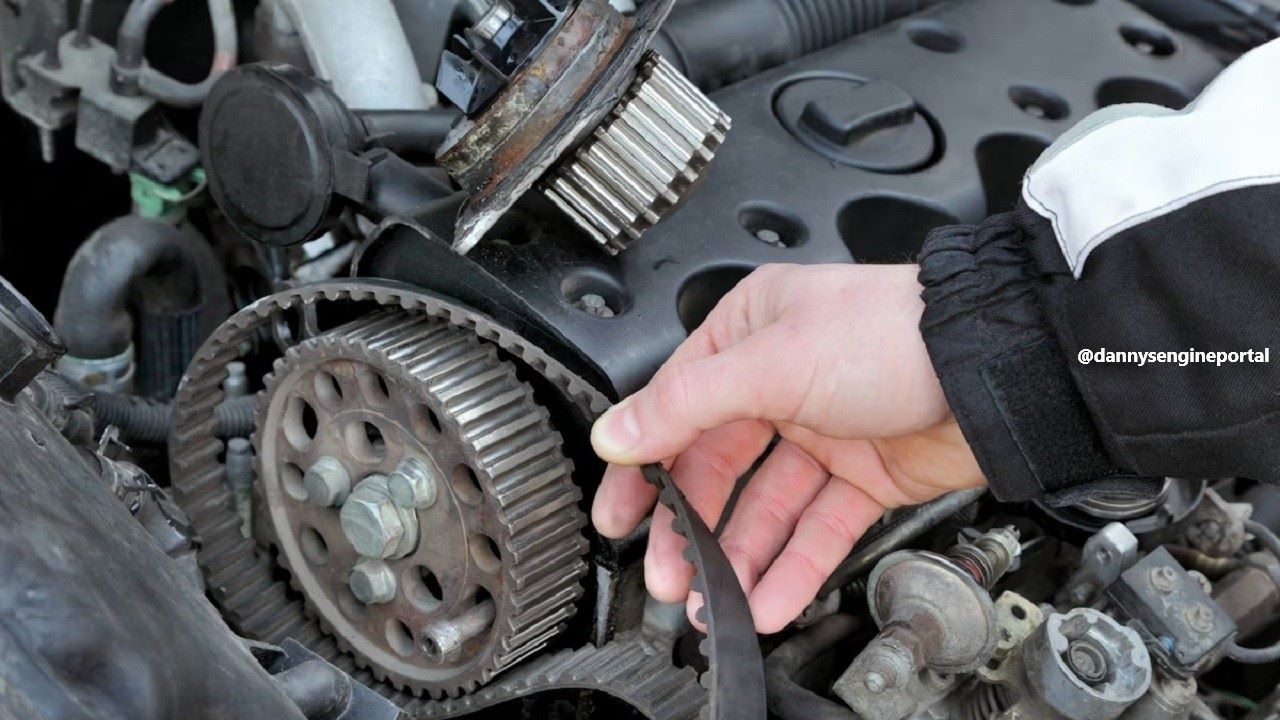
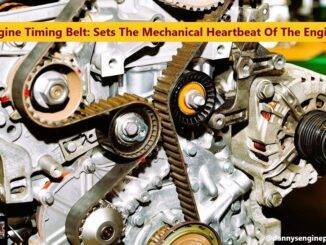
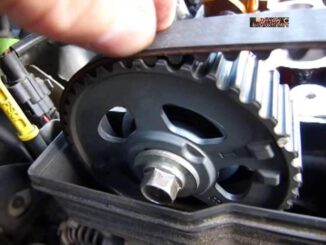
Your engine is a complex machine with many moving parts. The timing belt is the “conductor” of this mechanical orchestra. It connects the crankshaft at the bottom to the camshaft at the top. This belt ensures the pistons and valves move in perfect sync. If the belt breaks, the parts stop working together.
The Non-Interference Engine: A Safer Bet
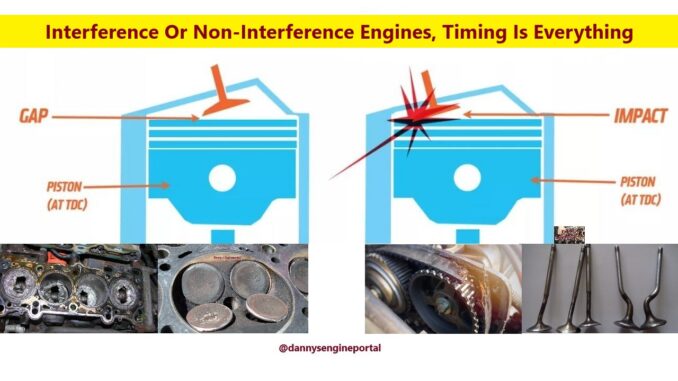
A non-interference engine is often called a “free-running” engine. In this design, the pistons and valves never share the same space. Even if the timing belt snaps, they cannot touch each other.
- The Best-Case Scenario: If the belt breaks while you are driving, the engine simply stops.
- The Repair Cost: You will need a tow to a shop. A mechanic will install a new belt and reset the timing.
- The Price Tag: This typically costs between $300 and $1,000 depending on your car.
While it is a major hassle, your engine remains physically healthy. You avoid the “nightmare” of internal metal-on-metal destruction.
The Interference Engine: High Performance, High Risk
Most modern cars use interference engines for better power and efficiency. In these engines, the valves open deeper into the cylinder. This means the valves and pistons actually occupy the same space at different times.
- The Worst-Case Scenario: If the timing belt snaps, the synchronization is lost instantly.
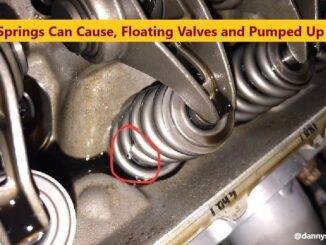
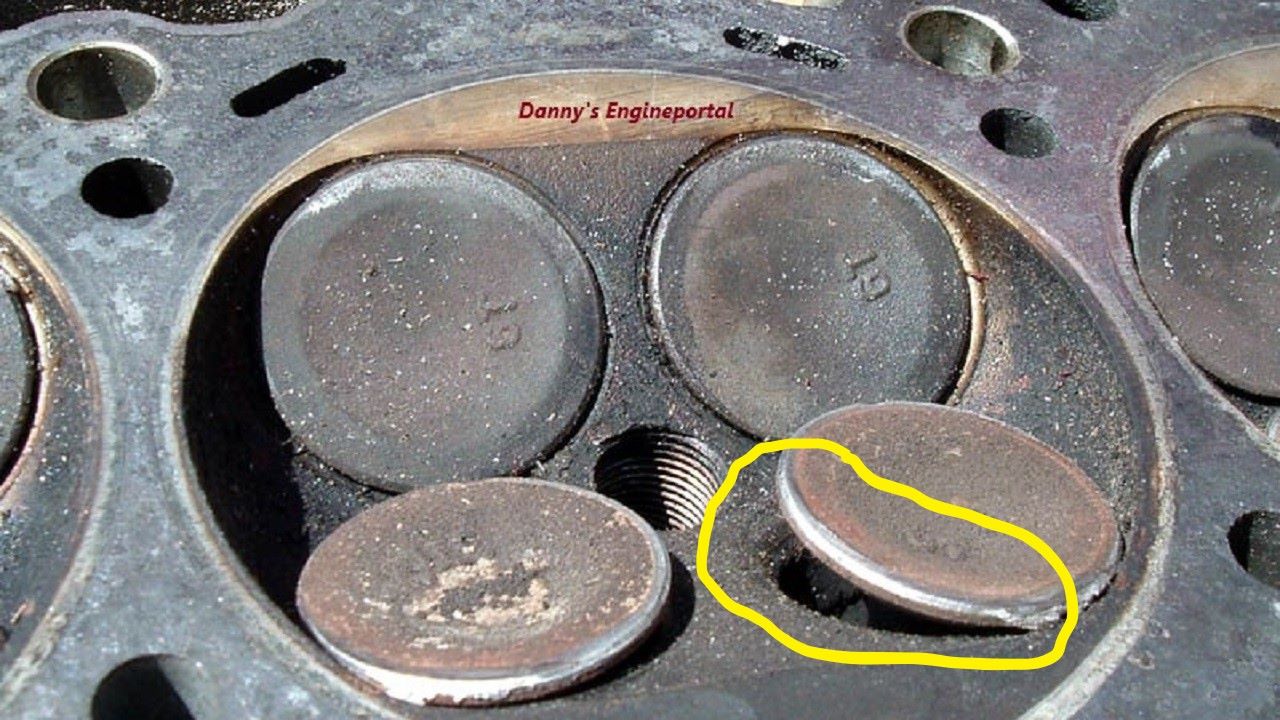
- The Collision: The pistons continue to move up and down from inertia. They will slam into the valves that are stuck in the open position.
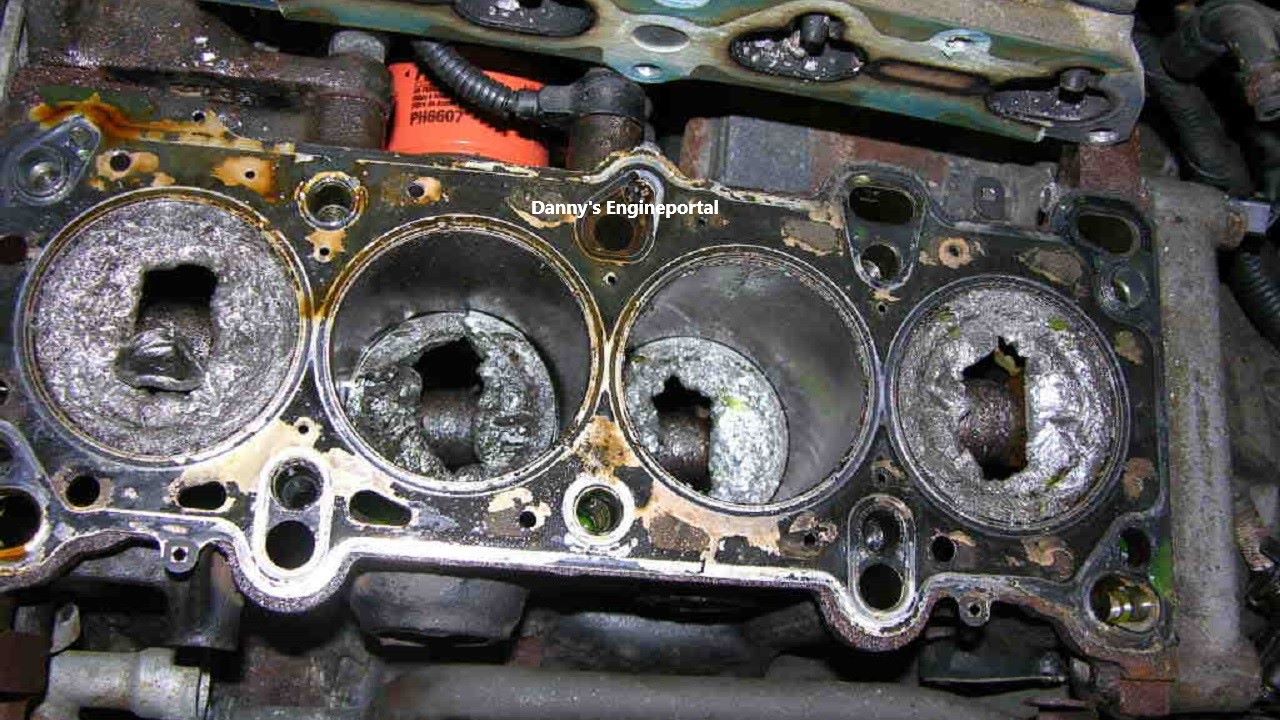
- The Damage: This “mechanical heart attack” can bend valves, crack pistons, and ruin the cylinder head.
Why Do Manufacturers Use Risky Designs?
So, you might wonder why engineers would build such a “risky” engine. The answer is simple: Performance.
- Higher Compression: These engines squeeze the “air fuel” mix much tighter. This creates a more powerful explosion during combustion.
- Better Fuel Efficiency: Higher compression extracts more energy from every drop of fuel.
- Lower Emissions: Cleaner burns mean less pollution coming out of your exhaust pipe.
- More Horsepower: Smaller engines can produce much more power than older, larger designs.
The Real Cost of Neglect
If you own an interference engine, maintenance is not optional. A broken belt here often leads to a repair bill that exceeds the car’s value.
- Total Replacement: Many mechanics will suggest a used or remanufactured engine instead of a repair.
- The Price Tag: This can easily cost $3,000 to $7,000 or more.
Warning Signs of a Failing Timing Belt
Timing belts are made of high-strength rubber. They do not always give a warning before they snap. However, you should watch for these signs:
- Ticking Noises: A worn belt may make a clicking sound from the front of the engine.
- Engine Misfires: If the belt stretches, the timing will be slightly off.
- Oil Leaks: Oil can degrade the rubber belt and cause it to fail early.
- Hard Starting: A stretched belt makes it difficult for the engine to fire up.
How Often Should You Replace the Belt?
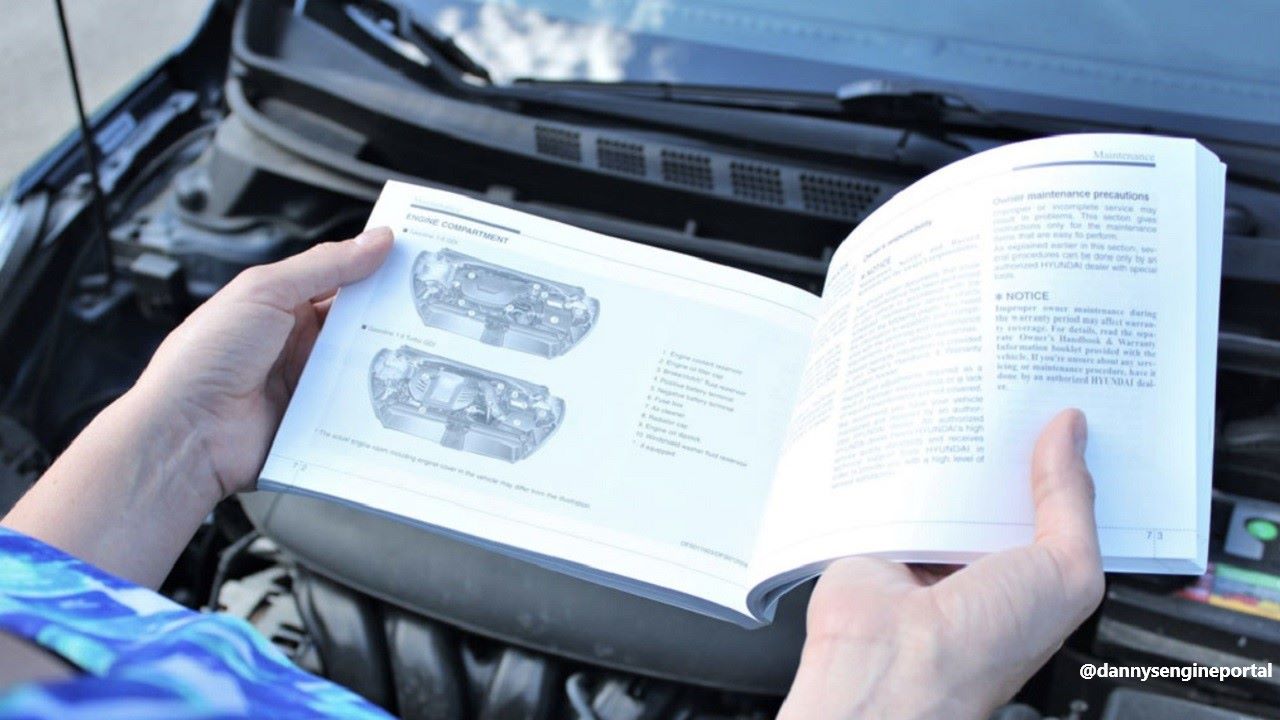
Every car has a specific “service interval.” Most manufacturers recommend replacement every 60,000 to 100,000 miles.
- Check Your Manual: Your owner’s manual will have the exact mileage for your car.
- Age Matters Too: Rubber gets brittle over time even if you don’t drive much. If your belt is over seven years old, consider replacing it.
What About Timing Chains?
Some cars use a metal timing chain instead of a rubber belt. Chains are designed to last the entire life of the engine. However, they can still stretch or have failing tensioners. Almost every engine with a timing chain is an interference design.
Is My Car Interference or Non-Interference?
So, there is no “rule of thumb” based on the brand.
- Toyota: Many older Toyota engines were non-interference.
- Honda: Most Honda engines are interference designs.
- Modern Cars: Almost all cars built after 2010 use interference designs for efficiency.
You can look up your specific engine online or ask a trusted mechanic.
In Summary: The Peace of Mind Plan
Preventive maintenance is always cheaper than a major repair.
- Find out which engine type you have.
- Locate your timing belt replacement interval.
- Budget for the service before you reach that mileage.
Spending $800 today is much better than spending $5,000 tomorrow. So, don’t gamble with your engine’s life. Your car—and your wallet—will thank you!
“Thanks For Reading!”