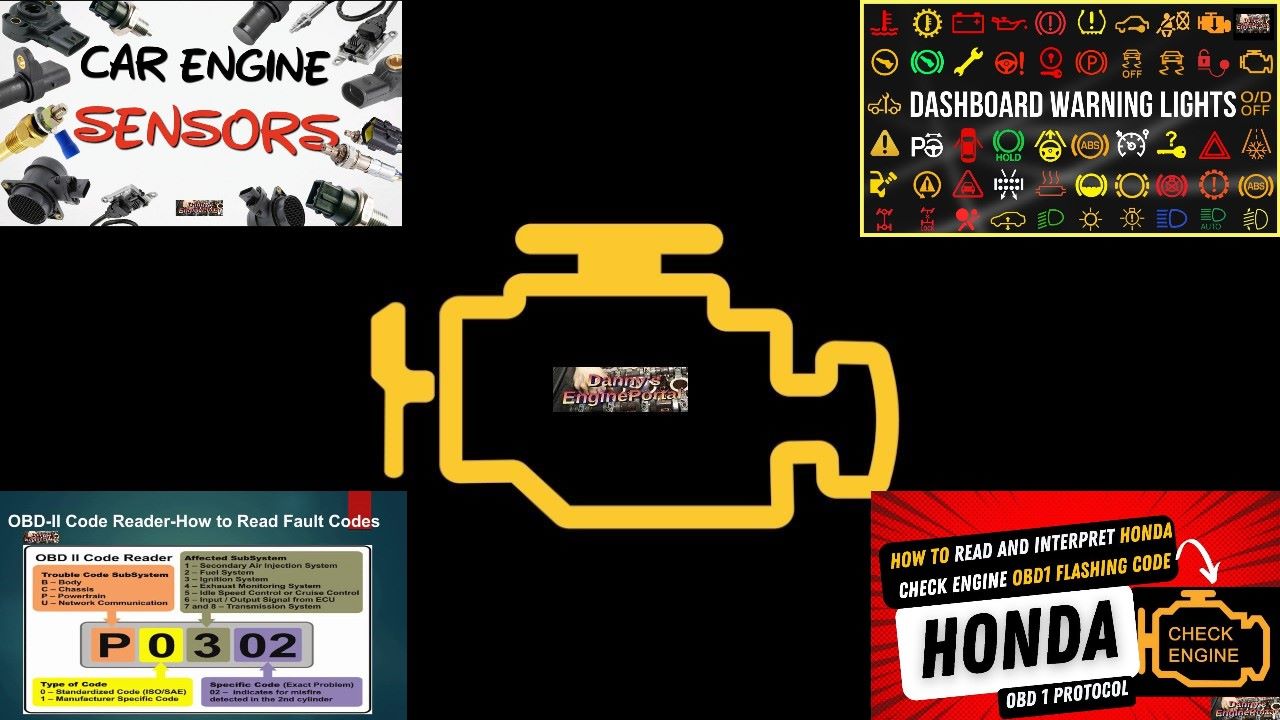
Engine Sensors, Warning Lights & Trouble Codes are all very important systems.
They are the gathers of information critical to the well being of your engine.
The information that is gathered is send to the on board computers and modules. This allows them to make vital decisions of what to adjust and how to do it.
Engine Sensors, Warning Lights & Trouble Codes: Learn the Basics. How do they work and what do they mean.
Engine Sensors:
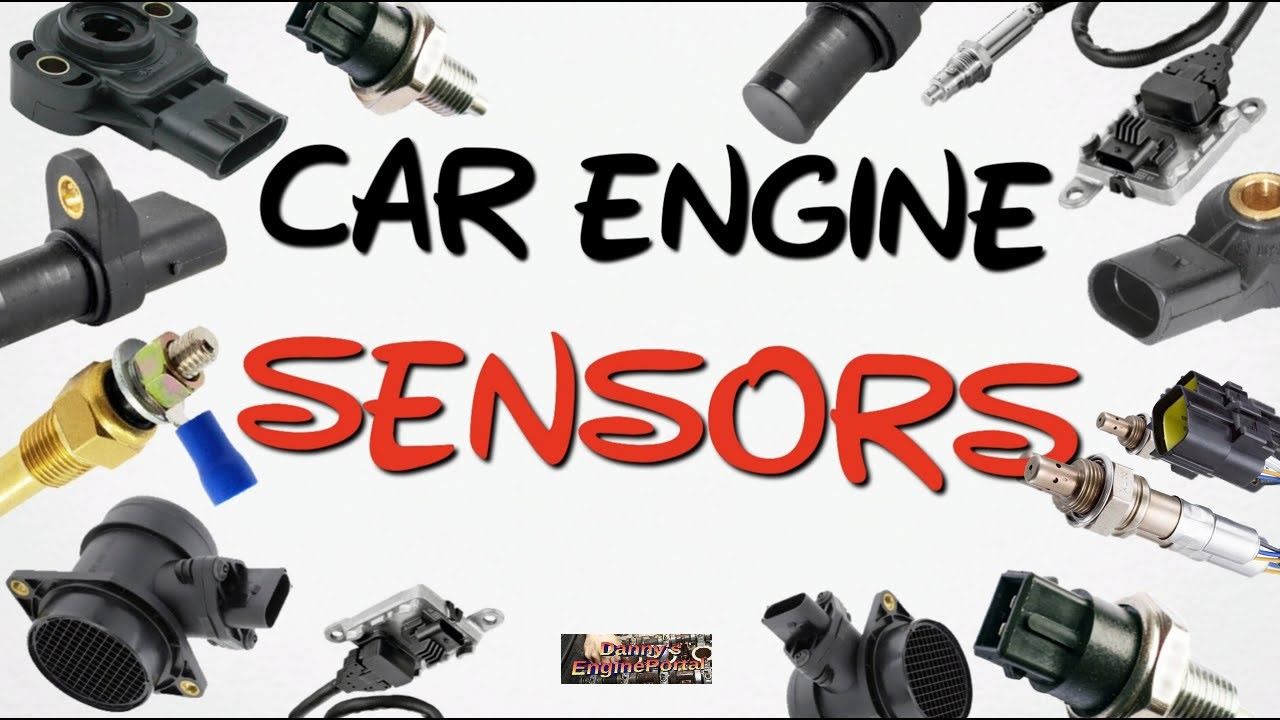
They act as the vehicle’s “nervous system,” sending vital information to the brains of the vehicle. Then the different computers and modules constantly adjust to maintain ideal operating conditions.
Oxygen (O2) Sensor: Measures the amount of oxygen in exhaust gases to help the computer determine if the air-fuel mixture is too rich or too lean.
Mass Air Flow (MAF) Sensor: Measures the volume and density of air entering the engine, allowing the computer to determine the correct amount of fuel needed.
Crankshaft Position Sensor: Monitors the rotational speed and position of the crankshaft, which is crucial for ignition timing and fuel injection synchronization.
Camshaft Position Sensor: Works with the crankshaft sensor to determine the position of the pistons, ensuring proper valve timing.
Manifold Absolute Pressure (MAP) Sensor: Measures the pressure inside the intake manifold, helping the ECU calculate the engine load.
Throttle Position Sensor (TPS): Tracks the exact position of the throttle valve to manage acceleration and idle.
Engine Coolant Temperature (ECT) Sensor: Monitors the temperature of the engine coolant to prevent overheating and adjust the fuel mixture when the engine is cold.
Knock Sensor: Detects vibrations or “knocking” inside the combustion chamber and tells the ECU to adjust timing to protect the engine.
Warning Lights:
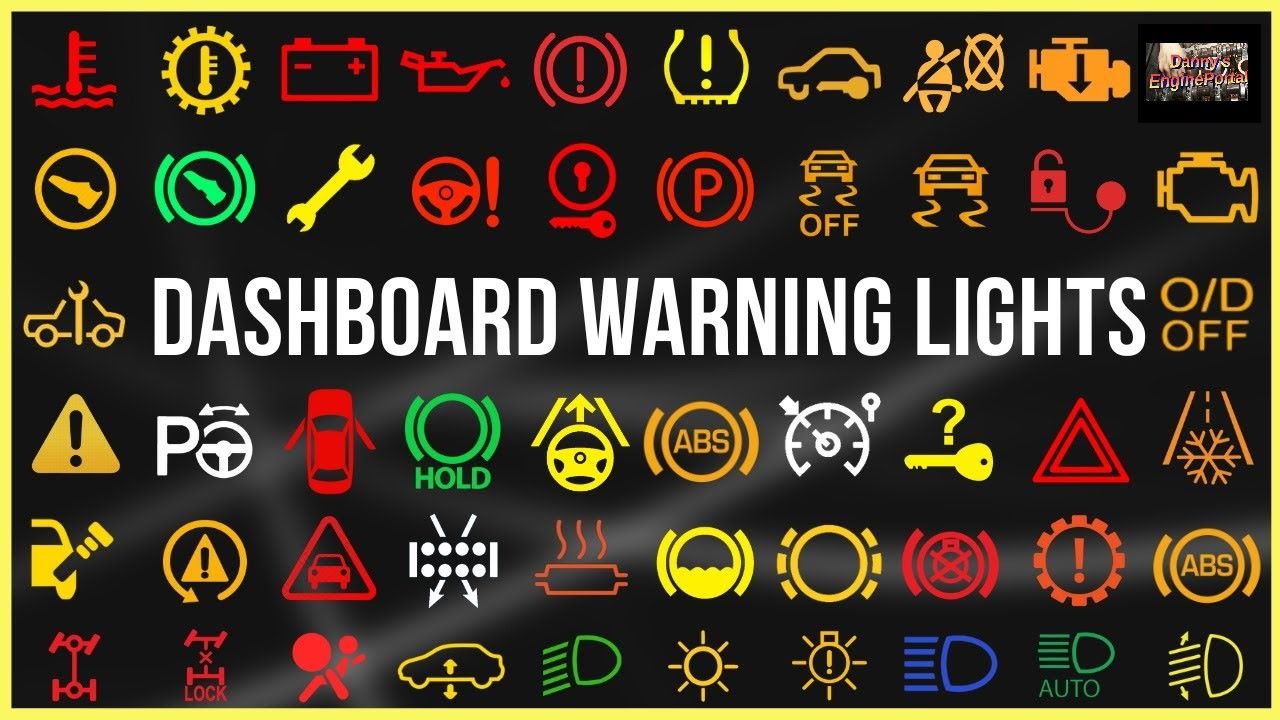
Most Common Engine Warning Lights & What They Warn You About
Check Engine Light (Malfunction Indicator Lamp): Usually yellow/orange; can indicate a loose gas cap, failing oxygen sensor, mass airflow sensor issues, or catalytic converter failure.
Flashing Check Engine Light: Indicates a serious engine misfire that can cause immediate, major damage to the catalytic converter or engine, requiring you to stop and tow the vehicle immediately.
Oil Pressure Light: Usually red; indicates that the engine is losing oil pressure, which can lead to catastrophic engine failure if not addressed instantly.
Temperature Warning Light: Red light suggesting the engine is overheating, likely due to low coolant, a leak, or a broken water pump.
Battery/Charging System Light: Indicates a voltage issue, usually a failing alternator or battery.
Traction/Stability Control Light: A yellow light indicating that the system is active or has a fault.
Key Tips
Solid Light: Generally indicates a non-urgent issue, but it should be diagnosed by a professional soon to prevent further issues.
Flashing/Red Light: Stop the vehicle immediately and have it towed to prevent major, expensive engine damage.
Check First: Many check engine lights are triggered by a loose, damaged, or missing gas cap.
Engine Trouble Codes:
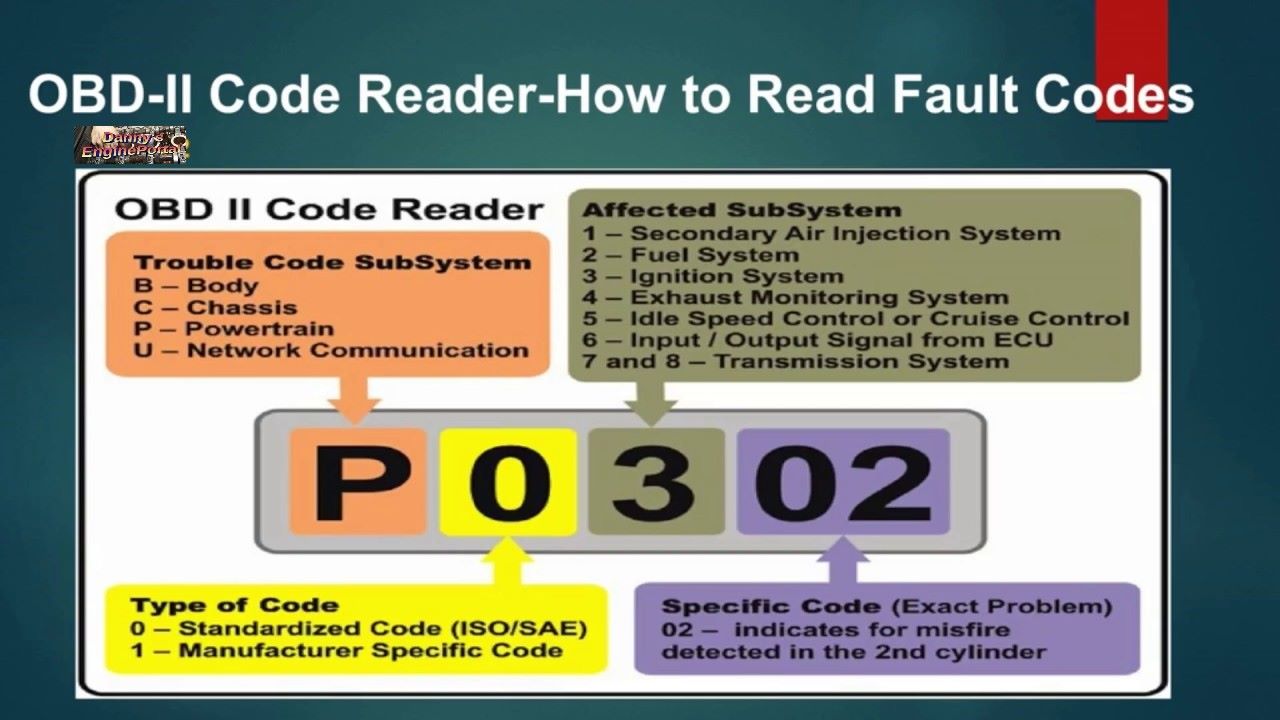
On-Board Diagnostic (OBD-II) system:
This system, standard on all 1996+ vehicles, uses five-digit alphanumeric Diagnostic Trouble Codes (DTCs) to identify malfunctions. These codes are generated by the Powertrain Control Module (PCM) and consist of a system letter, code type, subsystem number, and specific fault identifier.
Parts of a Diagnostic Trouble Code (DTC)
A typical code, such as P0420, is broken down as follows:
First Character (System): Identifies the affected area:
- P (Powertrain): Engine, transmission, fuel system.
- B (Body): HVAC, lighting, airbags.
- C (Chassis): Steering, suspension, brakes.
- U (Network): Communication between modules.
Second Character (Code Type):
- 0: Generic/SAE-standardized code.
- 1: Manufacturer-specific code.
Third Character (Subsystem): Identifies specific subsystems (e.g., \(1-3\) for fuel/ignition, \(4-6\) for emission/computer).
Fourth & Fifth Characters: Define the specific malfunction (0-99).
Components of the Diagnostic System
- ECU/PCM (Computer): Monitors sensors and triggers codes.
- Malfunction Indicator Light (MIL): The “Check Engine” light on the dashboard.
- Diagnostic Link Connector (DLC): The 16-pin port (usually under the dashboard) where tools plug in.
- Scan Tool/Code Reader: Devices used to read and clear codes.
- Freeze Frame Data: A snapshot of vehicle data when a fault was triggered.
Common Subsystem Numbers (Third Digit)
- 0, 1, 2: Fuel and Air Metering.
- 3: Ignition System or Misfire.
- 4: Auxiliary Emissions Controls.
- 5: Vehicle Speed/Idle Controls.
- 6: Computer/Output Circuit.
- 7, 8: Transmission.
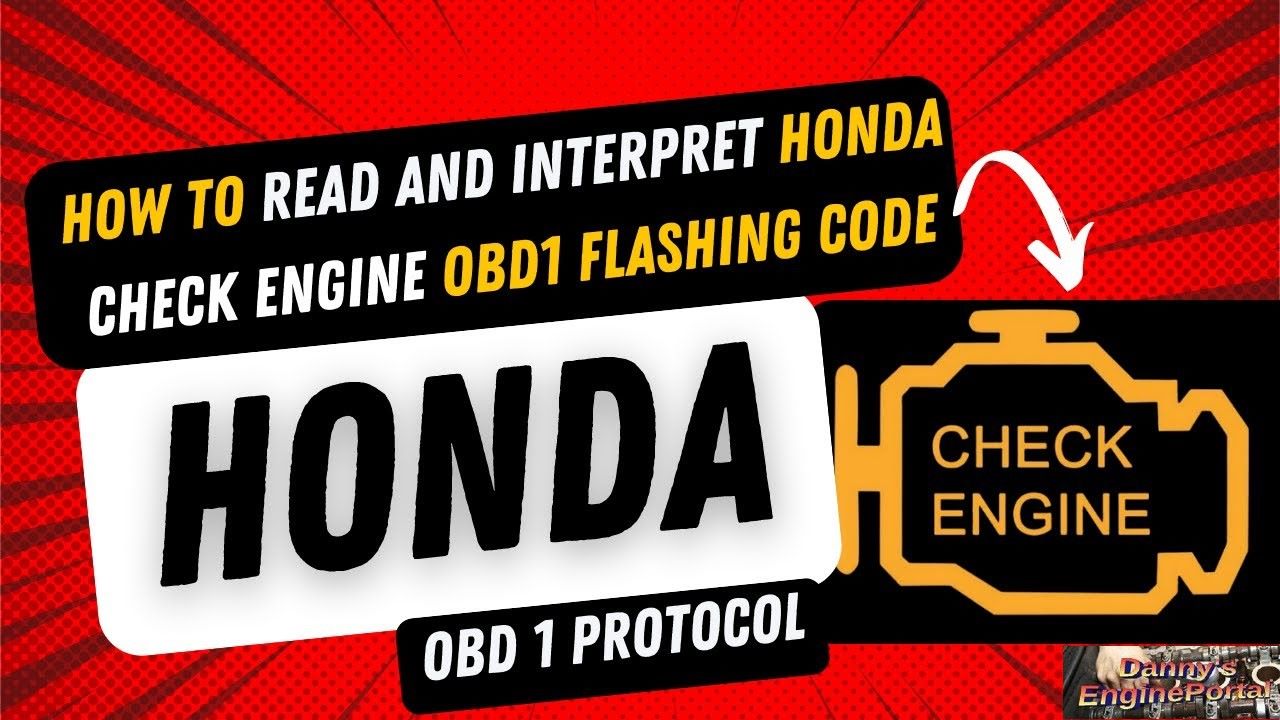
On-Board Diagnostic (OBD-I) system
Related Posts
- (ECT) Engine Coolant Temperature Sensor – What Can Go Wrong
- (EVAP) Evaporative Emission System Explained
- Automotive Sensors: Monitoring Your Vehicle’s Vital Signs
- Camshaft Position Sensor Symptoms, Testing & Replacement (CMP Guide)
- Check Engine Light (CEL) – What Can Cause It To Come On
- Crankshaft Position Sensor Symptoms, Testing & Replacement (CKP Guide)
- Dash Warning Lights – Only Provide A Warning Something Is Wrong
- Engine Coolant Temperature (ECT) Sensor: Failure Signs: Testing
- Engine Coolant Temperature Sensor: Step By Step Replacement
- Honda OBD1 Codes: How to Read Check Engine Light Without a Scanner
- Loose Gas Cap: Most Common Cause For A Check Engine Light
- Mass Air Flow Sensor (MAF): Measuring Volume, Density, Temperature
- Noid Light: Tests For An Electrical Signal, At The Fuel Injector
- O2 Oxygen Sensor Symptoms (Causes, Testing & Replacement Guide)
- Oxygen Sensor (O2) Diagnostic Testing Guide: By Walker
- Reduced Engine Power Warning Light – What To Do And Why?
- Throttle Position Sensor (TPS) – Function – Failure – Testing