The Problem with Modern Low-Zinc Oils: Is Your Engine at Risk?
For decades, “zinc” was synonymous with engine health. But if you’ve walked down the oil aisle lately, you might have noticed a shift.
Modern oils are changing, and for owners of high-performance or vintage engines, that change isn’t necessarily for the better.
Why the Zinc Disappeared
The shift started with the American Petroleum Institute (API), which capped zinc levels at 0.08 percent. This move wasn’t about making your engine run better; it was about the environment.
Zinc and phosphorus are great for metal, but they are “poison” to catalytic converters. By reducing these elements, manufacturers help exhaust systems last longer to meet emissions standards. Since most modern cars (built after 1996) use roller lifters that require less lubrication, they get away with it. Your vintage flat-tappet or racing engine? Not so much.
Why Performance Engines are Failing
We are seeing a “perfect storm” of engine failures. When you combine aggressive cam profiles with modern, low-zinc oils, you get metal-on-metal friction that today’s detergents can’t stop.
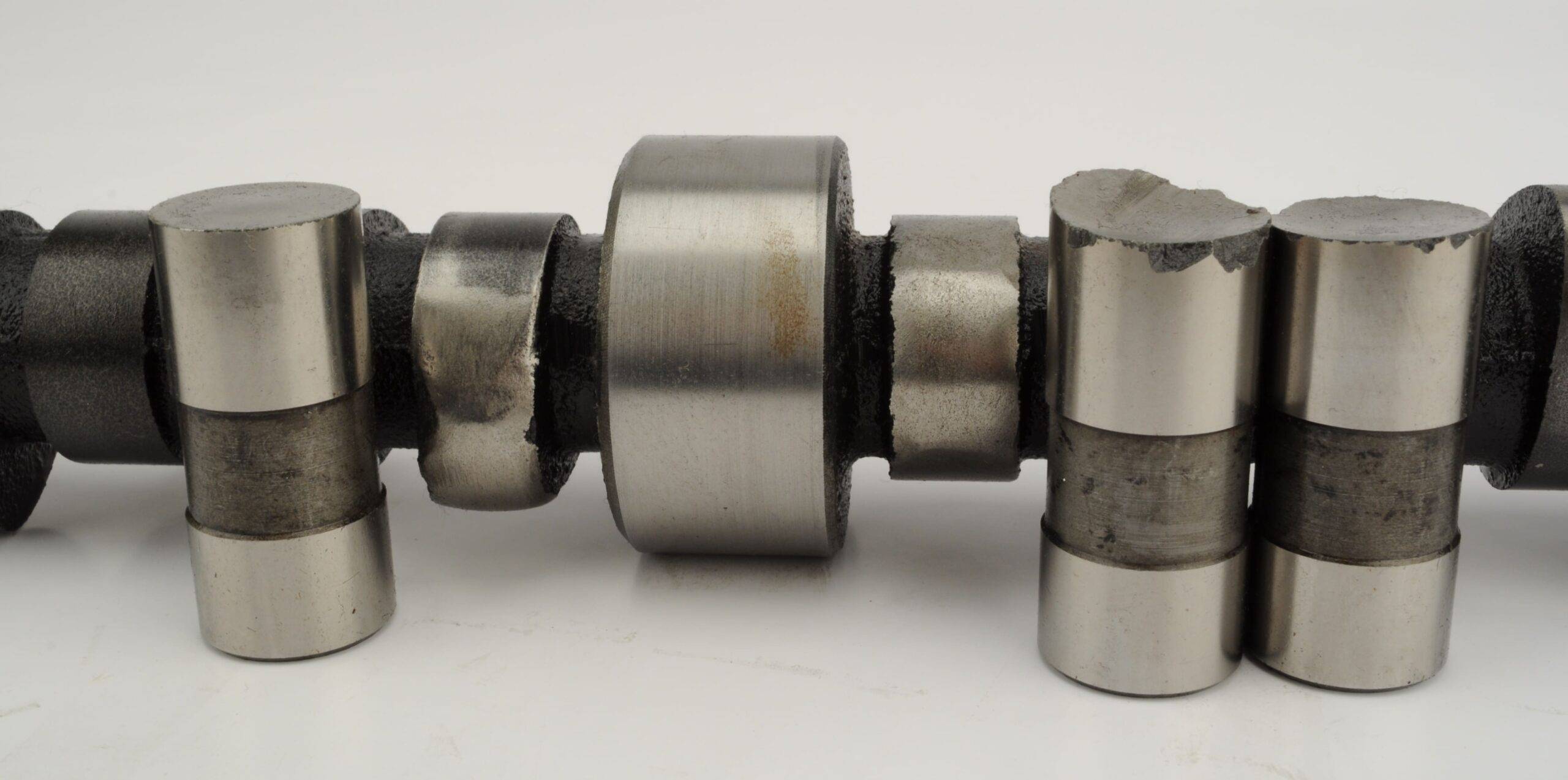
Experts point to four main culprits:
- Subpar factory parts.
- Low-quality lifter manufacturing.
- Aggressive, “wild” cam shapes.
- The new, “thinner” oil chemistry.
The Battle: Detergent vs. Zinc
It’s a literal chemical war inside your engine. Detergents are designed to scrub surfaces clean, but they often scrub away the protective zinc layer before it can do its job. This is why many old-school shops recommend non-detergent break-in oils for new builds—it gives the zinc a chance to bond to the metal without being washed away.
Which Zinc is in Your Bottle?
Not all “high-zinc” oils are created equal.
- Passenger Car Oils: Use fast-acting zinc designed for lower temperatures.
- Diesel Oils: Use a slower-reacting zinc suited for heavy-duty heat and soot.
- Racing Oils: Often use specific zinc types that require high heat and load to activate.
Final Advice: What Should You Do?
For Modern Engines (Roller Parts):
Stick to the manufacturer’s recommendations. Modern rollers are designed for these new oils, and consistent oil changes are more important than extra additives.
For High-Performance or Flat-Tappet Engines:
Don’t settle for the cheapest shelf option. Look for dedicated high-zinc brands like Lucas, Valvoline VR1, or Driven. Many engine builders will even void your warranty if you don’t use a zinc-rich break-in oil.
The Bottom Line:
Every brand claims to be the best, but your engine’s specific needs should dictate your choice. It is much cheaper to buy premium oil today than to replace a flattened camshaft tomorrow.
Thanks for reading!