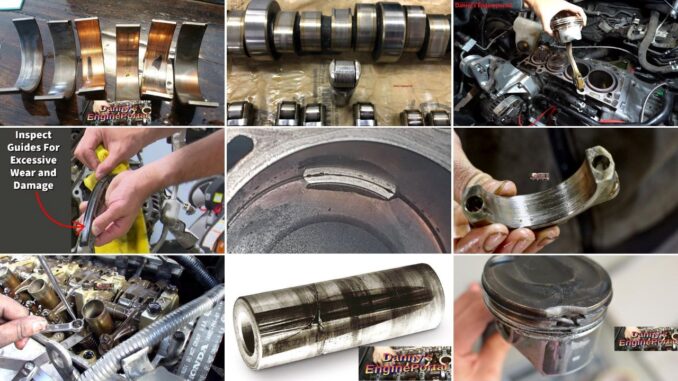
Your engine is talking to you—are you listening?
Learning to decode rhythmic Taps, heavy knocks, and high-pitched pings can save you thousands in repair bills.
With a little practice, you can gain the experience and knowledge to know what engine noises mean.
When diagnosing engine noises, don’t forget the basic techniques. Firstly, consider running it with the drive belts removed, dropping the transmission into drive, and checking for broken accessory mounts. However, this should only be done briefly to prevent overheating. (since the water pump is often belt-driven).
Most techs are familiar with using a long screwdriver, socket extension or a piece of hose as a stethoscope. But, a mechanic’s stethoscope will provide much clearer and accurate results.
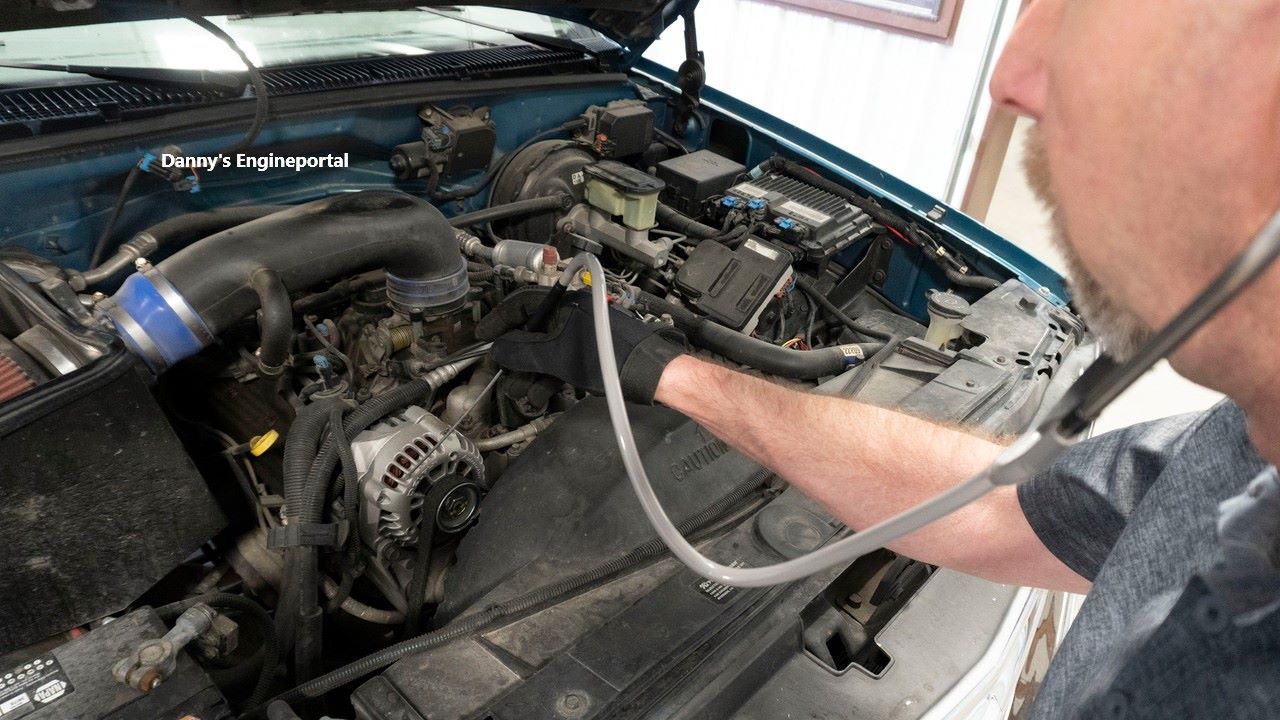
We’ve put together this quick guide for diagnosing common engine noises, to help you avoid potential damage.
| Sound | Potential Culprit | Severity |
|---|---|---|
| Rhythmic Ticking | Valvetrain / Lifters | Moderate |
| Metallic Pinging | Detonation / Bad Fuel | High |
| Deep, Dull Knock | Main Bearings | Critical |
Valvetrain Engine Noises
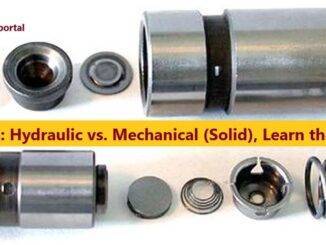
Valve and Tappet Noise: Usually sounds like a rhythmic ticking or chatter at half the engine speed. And, may then, disappear at high speeds. The cause is often excessive valve clearance or a defective hydraulic valve lifter.
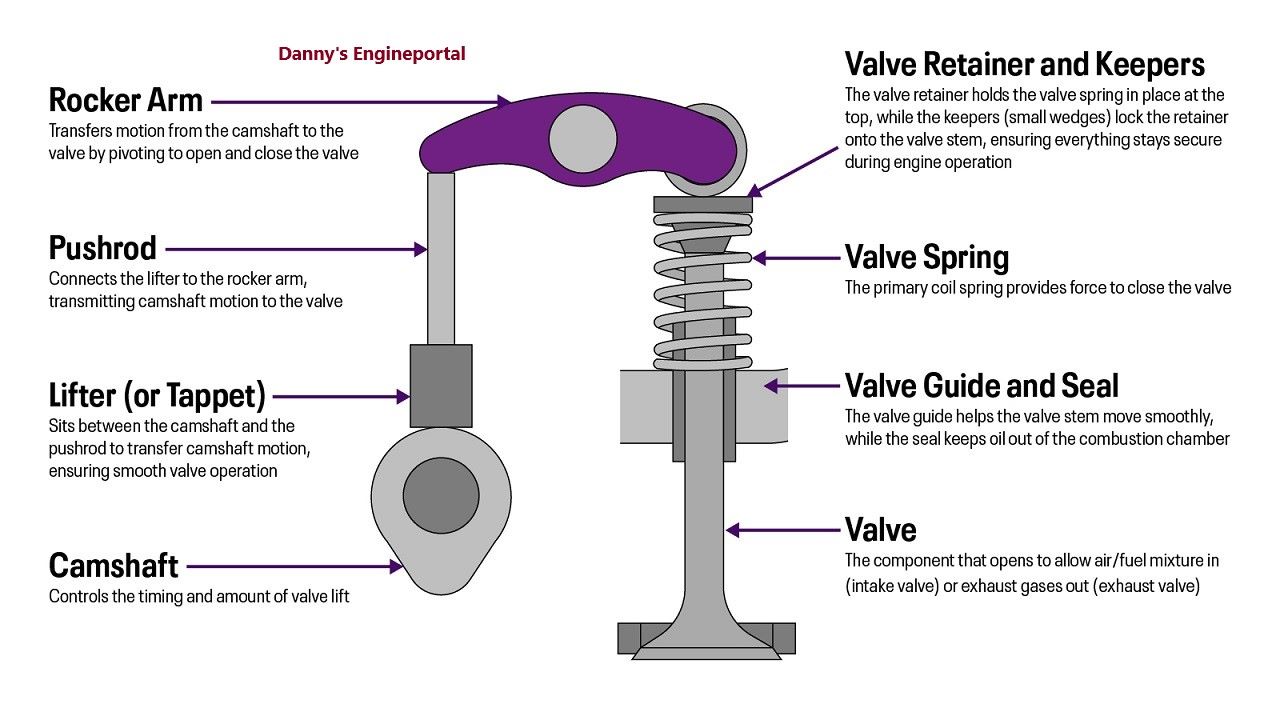
Worn Or Sticking Hydraulic Lifters Can Cause This Noise:
- Varnish build up, on the lifter surfaces.
- Low oil pressure, could be another cause.
To check your clearances, you can use a feeler gauge. Slide it between the valve stem, rocker arm or lifter. If this reduces the noise, the cause is excessive clearance. Therefore, you’ll need to make the proper adjustments. Other things to look for include, lifters that are moving loosely in their bores and weak valve springs.
Detonation & Pre-Ignition (Pinging)
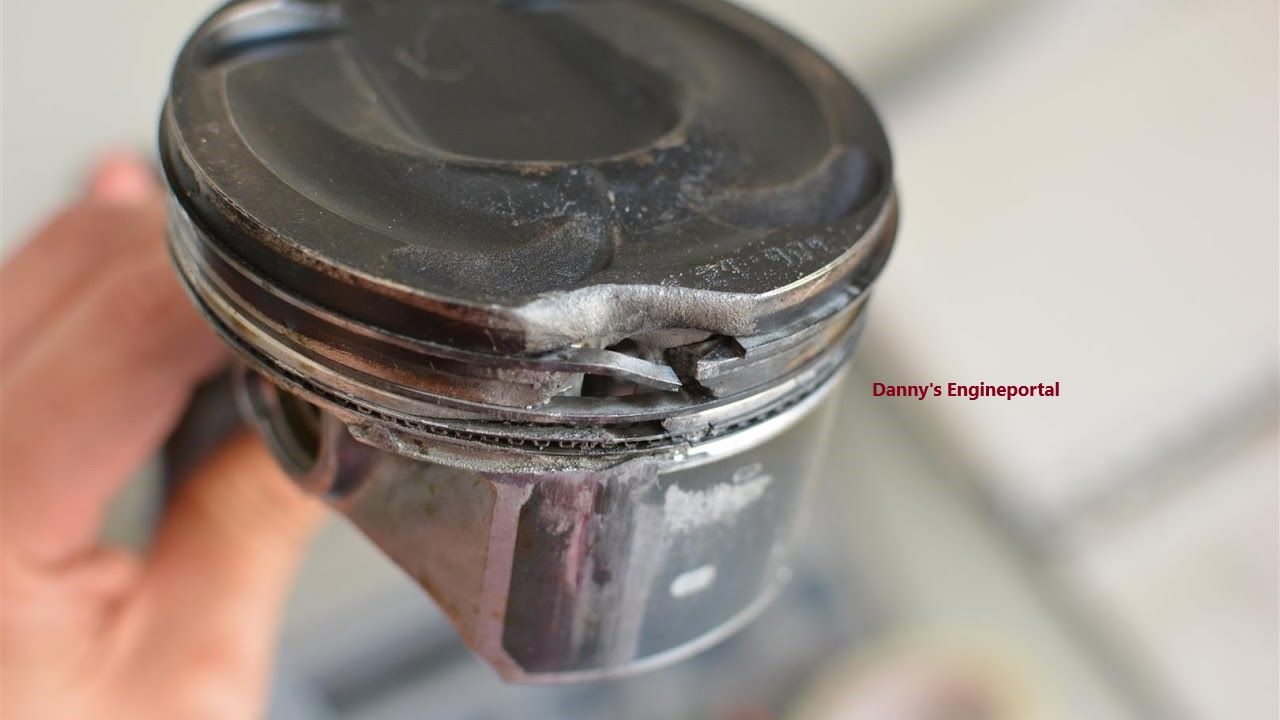
- Low Octane Fuel: Using a lower grade than the manufacturer recommends.
- Engine Overheating: High operating temperatures can cause premature ignition.
- Timing Issues: Improper ignition timing or a faulty Knock Sensor (KS).
- EGR Malfunction: A failing Exhaust Gas Recirculation valve.
Timing Chain Engine Noises
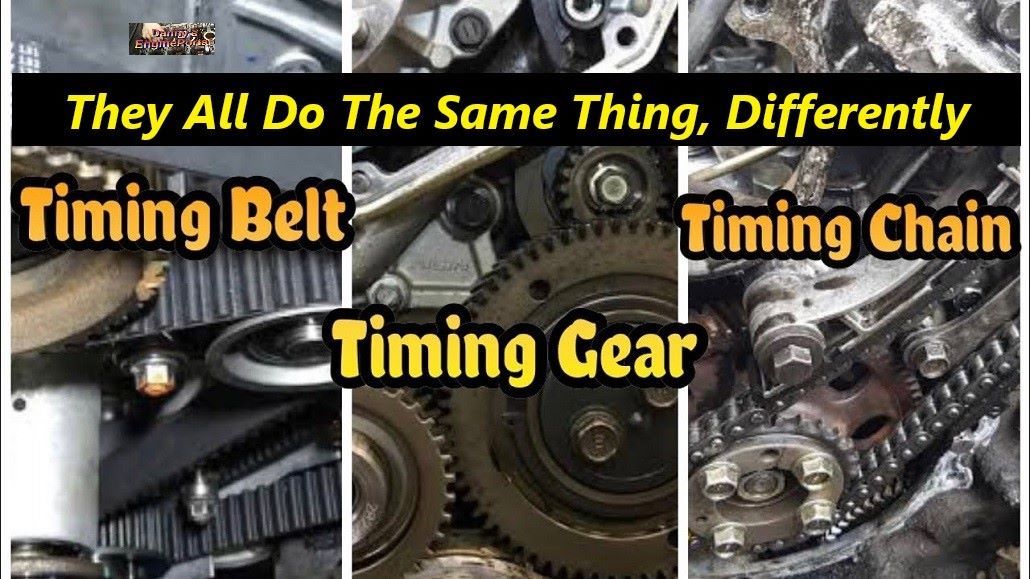
Many newer engines have overhead camshafts (OHC) with longer timing chains. Therefore, a timing chain connects the crankshaft to the camshaft, to insure the valves open at the proper time.
Hydraulic tensioners, usually keep the slack tight on the chains. The chains ride against a nylon guide (a chain guide) which, in time, begins to wear. As a result, if they are worn, the timing chain will begin to rattle.
As a result of the timing chains becoming so loose, that they whip back and forth. Usually, against the guides and possibly the timing cover.
If the oil pressure is correct, replacement of the hydraulic tensioners and chain guides, needs to happen. A mechanic’s stethoscope, is a great tool to pinpoint this noise. If the noise is loudest when touching the timing cover with the stethoscope, disassembly is the next step. Also, most engines with timing belts do not make this noise.
Connecting Rod Engine Noises
Connecting rod noise is caused by excessive clearance, between the crankshaft and the connecting rod bearing surface. This happens when you have low oil pressure, causing the bearing to run dry of oil.
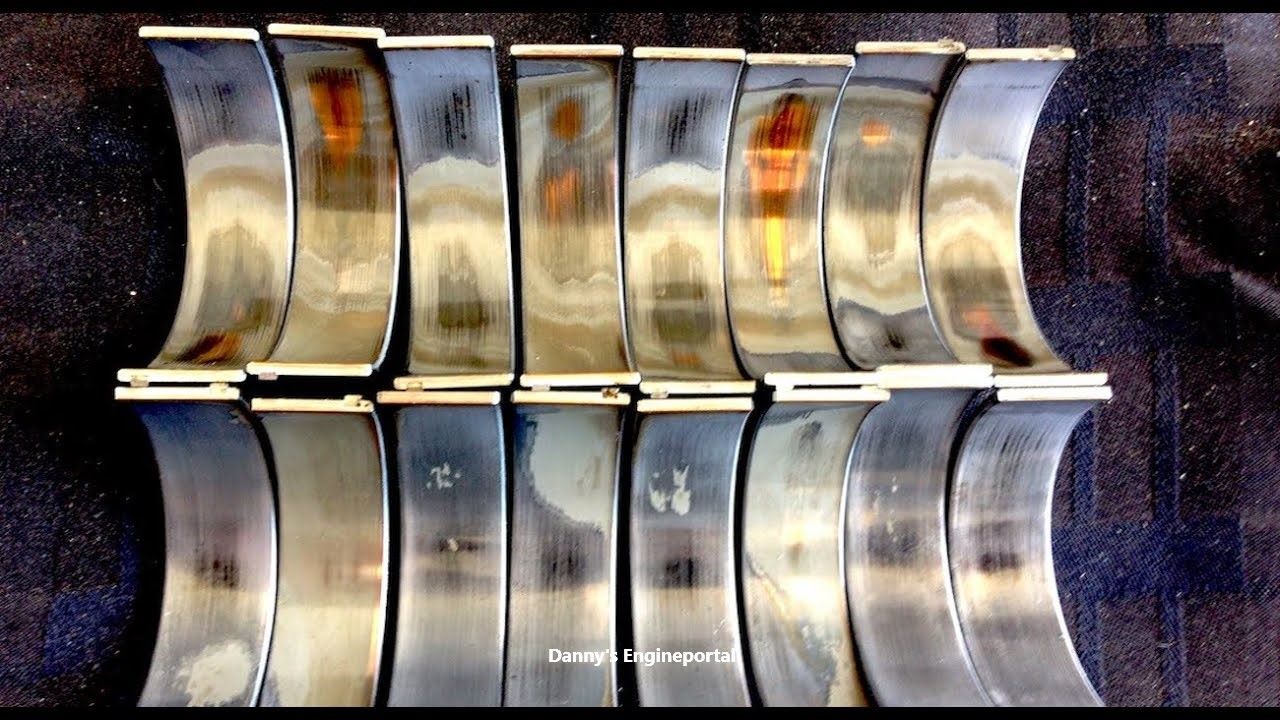
Which in turn, will damage the bearing and crankshaft surfaces. As a result, the oil gets dirty and grit can wear the surface of the bearings.
The noise is usually heard when you hold the throttle at a steady (RPM). If it sounds like a single knock, you can isolate the cylinder. Usually, by disabling the spark or the fuel injector for each cylinder, one at a time.
However, on modern cars, this might trigger a Check Engine Light (CEL). That’s why you should have a code scanner handy to clear it afterward.
When the noise goes away or gets much quieter, you have found the problem. Problems like this require immediate attention. Because, continued running of the engine in this condition, will damage the crankshaft.
Piston Pin Noises
Although similar to valve train noise, piston pin noise often has a unique, metallic sounding double knock. And, is sometimes most noticeable, during idle with the spark advanced. This noise is usually caused by, the lack of oil and excessive clearance, between the piston pin and the piston. A piston pin, attaches the connecting rod to the piston.
It is lubricated by oil, which is sprayed onto the pin through a hole in the opposing cylinders connecting rod. Problems like this are usually a result of worn connecting rod and crankshaft bearings, which reduces oil pressure. As with connecting rod noise, you can find the offending components, by performing the same test shown above.
Piston Ring Noises
Piston ring noise is also similar to the valve and tappet noise above. However, it is most noticeable, during speeding up.
And, Is Usually Caused By:
- Low ring tension.
- Broken or worn piston rings.
- Worn cylinder walls.
To troubleshoot each cylinder, remove the spark plugs and add a tablespoon of engine oil to each cylinder. Then, crank the engine for several revolutions, to work the oil down past the rings.
NOTE: Be careful not to add too much, as excessive liquid in the cylinder can cause “hydrolock”. (preventing the engine from turning over).
You can then install the spark plugs and start the engine. After that, if the noise is reduced, the rings are most likely the problem.
What is Piston Slap? (Symptoms & Causes)
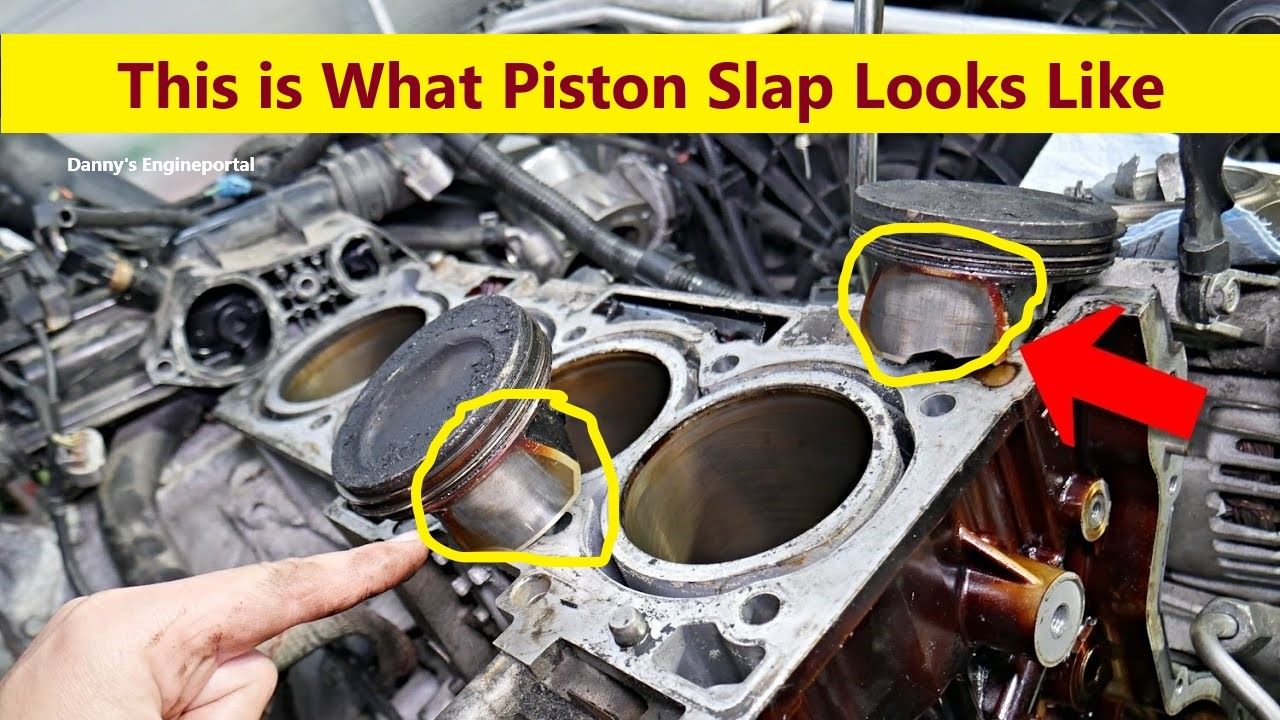
- Excessive Clearance: Worn cylinder walls or undersized pistons.
- Misaligned Components: Bent or twisted connecting rods.
- Oil Starvation: Inadequate lubrication causing accelerated wear.
Bearing Noises ( Rod Knock )
A heavy, yet dull metallic knock, is typically bearing knock.
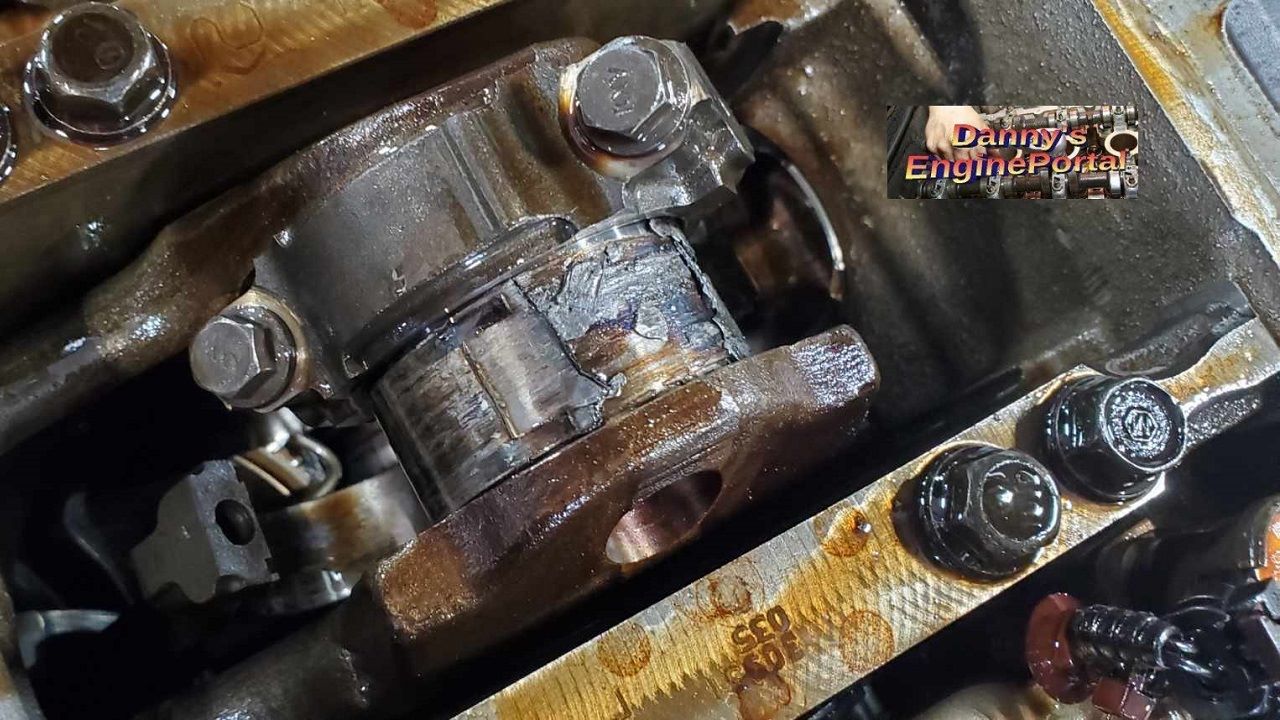
Under Load Or Speeding Up, The Engine Noises Are Louder:
- A regular, low rumble knock, is often from worn main bearings.
- More distinct knock, is often worn rod bearings.
- A sharp, irregular knock, can be from worn thrust bearings.
All of these failures will require bearing replacement.
Noise May Also Come From Other Bearings. This means, There Are Several Items Under The Hood That Can Make This Kind Of Sound:
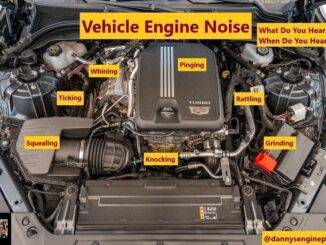
What do you hear and when do you hear it?
- Water pump.
- Air conditioner clutch bearing.
- Fan belt idler pulleys or belt tensioner.
- Alternator and the power steering pump.
These are all possible sources for sounds, indicating future bearing failure.
In Summary: Engine Noises
When Diagnosing Engine Noises, Don’t Forget Basic Techniques Like:
- Running it, with the drive belts removed.
- Dropping the transmission into drive.
- Checking for broken, accessory mounts.
Finally, it’s always a better idea to spend more time diagnosing and less time fixing.
The “When to Stop” Rule
⚠️ Critical Warning: If you hear a deep, rhythmic “thumping” or “knocking” that gets faster with engine speed (Rod Knock), stop the engine immediately. Driving even a few more miles can cause a connecting rod to break through the engine block, turning a repairable issue into a total engine replacement.
“Thanks For Reading!”