• Bluesky
  • Facebook
  • Instagram
  • Linkedin
  • Pinterest
  • Reddit
  • Threads
  • X
Danny's Engineportal Site Logo 300x100
  • Home
  • Blog
  • About
HomeHow Car Engines Work

How Car Engines Work

Understanding how car engines work is essential for diagnosing problems and performing accurate repairs. The internal combustion engine converts fuel into mechanical power using a combination of precisely timed components.

This category explains engine components and systems in detail, including pistons, crankshafts, camshafts, and timing mechanisms. It’s designed as a foundation for both beginners and experienced DIY mechanics.

What you’ll learn:

  • How engine components work together
  • Basic engine operation and combustion cycles
  • Common internal engine failures

If you want to understand engines before diving into repairs, this is your starting point.

👉 For diagnostics and repairs, see: Engine Maintenance & Troubleshooting
Valve Stem Seal Types
How Car Engines Work

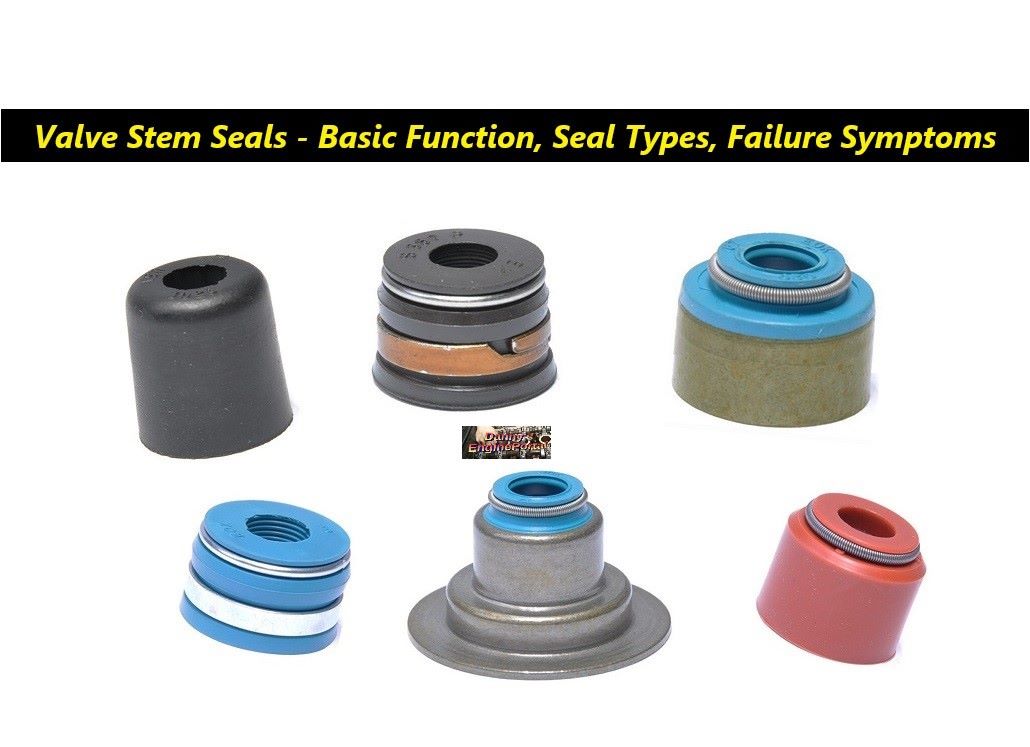
Valve Stem Seals: Basic Function, Seal Types, Failure Symptoms

06/04/2024
Valve stem seals, control the lubrication of the valve stem, as it moves up and down in the valve guide. By specific design, all valve stem seals are made to include, a precisely controlled leak. —READ-MORE
Replacing Car Engine
How Car Engines Work

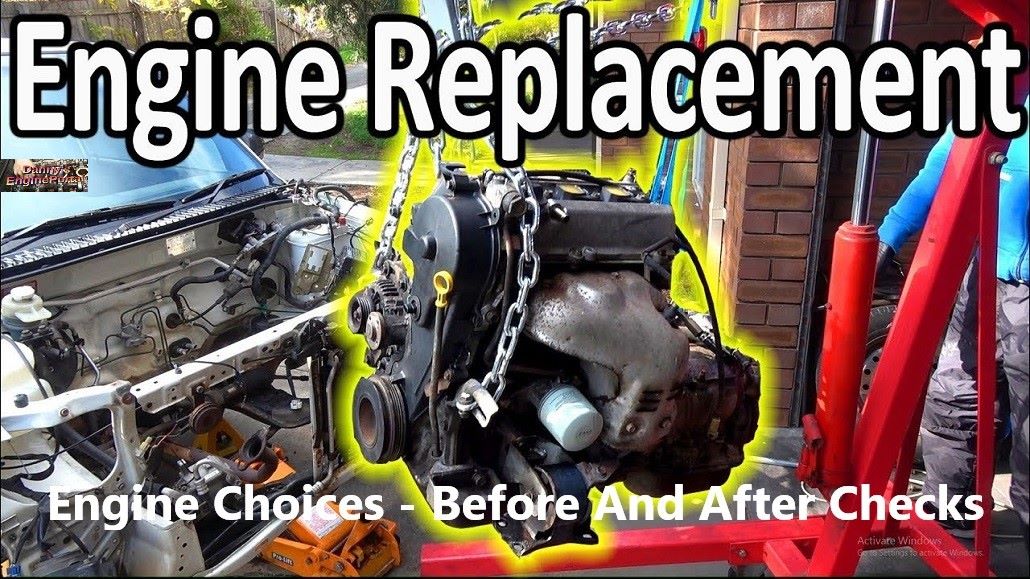
Engine Replacement : A Comprehensive Guide, For Every Vehicle

05/29/2024
So, engine replacement is one of the more difficult tasks, a mechanic may ever face. Because, engine replacement, requires different approaches for every year, make and model. Above all, engine replacement, is much more complicated —READ-MORE
Timing Belt vs Timing Gear vs Timing Chain
How Car Engines Work

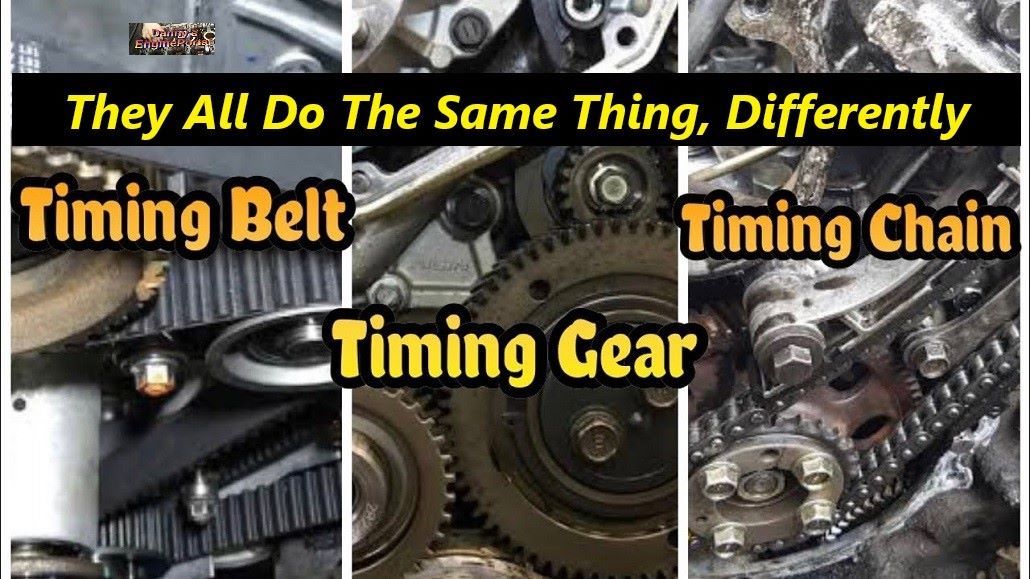
Timing Belts – Chains Or Gears, All Do The Same Thing, Differently

05/22/2024
SO, TIMING BELTS – CHAINS OR GEARS, ALL PERFORM THE SAME FUNCTION. Consequently, their job is to synchronize, the rotation of the crankshaft and camshaft. But, despite having the same job, timing belts – chains —READ-MORE
Oil Leak In Spark Plug Well of Valve Cover
Engine Troubleshooting and Diagnosis

Oil Leak In Spark Plug Well – Know The Signs – What Can Happen

04/30/2024
HAVING A OIL LEAK IN SPARK PLUG WELL, CAN PRODUCE A VARIETY OF PROBLEMS. Oil making its way into the spark plug wells, can drastically affect the engines performance. Consequently, leading to misfires, increased oil —READ-MORE
Installing Cylinder Sleeve in Engine Block
How Car Engines Work

Cylinder Sleeve – How To Install A Cylinder Sleeve To Save A Block

04/26/2024
LEARNING HOW TO INSTALL A CYLINDER SLEEVE, IS AN EXCELLENT WAY TO SALVAGE, AN OTHERWISE JUNK ENGINE BLOCK. So, there are basically two reasons, for installing a cylinder sleeve in a engine block. For instance, —READ-MORE
Squirting Oil in Engine Cylinder
How Car Engines Work

Wet Compression Testing Is A Step Up, From A Regular Test

04/21/2024
AFTER YOU HAVE DONE A BASIC COMPRESSION TEST, THE NEXT STEP IS, WET COMPRESSION TESTING. Above all, an engine needs a good seal between the rings, and the cylinder walls. Also, between the valves, and —READ-MORE
Writing Engine Assessment Report
Engine Troubleshooting and Diagnosis

Common Engine Problems – Noises, Leaks, Overheating, And Fuel

03/17/2024
We all know it’s important to take care of your vehicle’s engine. But, there are some common engine problems, that just get overlooked. So, as a vehicle owner it is important that you’re constantly on —READ-MORE
Listening for Valve Train Noise Under Hood
Engine Troubleshooting and Diagnosis

Valve Train Noise – Where Is It Coming From ? – Is It Bad ?

03/09/2024
Valve train noise, is usually due to excessive clearance, between two internal engine parts. Each valve utilizes, a valve spring that returns it to its, original closed position. So, if a valve spring has broken —READ-MORE
Engine Cranks But No Start - Ignition, Fuel, Compression Are Good
Engine Troubleshooting and Diagnosis

Engine Cranks But No Start – Ignition, Fuel, Compression Are Good

03/07/2024
When your engine cranks but no start. It usually means your engine is having trouble, producing a spark, getting fuel, or creating compression. But, what if, ignition, fuel, and compression were all checked. and are —READ-MORE
Cylinder Bore Deglazing - Purpose - Proper Crosshatch And Angle
How Car Engines Work

Cylinder Bore Deglazing – Purpose – Proper Crosshatch And Angle

03/03/2024
The cylinder bore deglazing process is basically, removing the glaze from your engines cylinder walls. Because, having the proper finish, is extremely important in helping with, proper piston ring lubrication. So, without proper lubrication, heat —READ-MORE

Posts pagination

« 1 … 9 10 11 »

Search by recent posts

  • Bubble Test: Used in Conjunction, With a Cylinder Leak Down Test
  • Fuel Pump Related No Start Problems: What Should You Check
  • Emission Thermactor Plugs: For Small Block Ford Cylinder Heads
  • File Fit Piston Rings: The Ultimate Sealing Method
  • Abnormal Exhaust Noise: Common On 6.0L Diesels
  • Valve Lash: Getting All The Facts For Setting And Adjustment
  • Oil Mixed With Coolant: Causes and Effects
  • Rocker Arms Dislodging: Along With Valve Seats Falling Out
  • Automatic Shutdown (ASD) Relay: Function – Failure – Testing
  • Thermostat Problems: Will Affect Your Engine’s Performance

Search by category

  • Car Cooling and Heating System Problems
  • Engine Gasket and Seal Problems
  • Engine Oil System and Lubrication Problems
  • Engine Sensors and Diagnostic Systems
  • Exhaust and Emissions System Problems
  • Fuel System Problems and Diagnosis
  • How Car Engines Work
    • Engine Troubleshooting and Diagnosis
  • Ignition and Electrical System Problems

Search by tag

air fuel mixture imbalance battery camshaft carbon buildup check engine light coolant coolant leak crank no start crankshaft cylinder head engine bearings engine damage engine hesitation engine knocking engine misfire engine noise engine oil engine overheating fuel delivery problem fuel injector fuel pump head gasket ignition coil ignition failure loss of power low compression mass airflow sensor no crank no start condition OBD2 codes oil consumption oil leak oil pressure sensor piston rings poor fuel economy radiator rough idle spark plugs thermostat ticking noise timing belt trouble codes vacuum leak valves visual inspection
stay connected
  • Bluesky
  • Facebook
  • Instagram
  • Linkedin
  • Pinterest
  • Reddit
  • Threads
  • X
  • Privacy Policy Copyright

COPYRIGHT © 2026 Danny's Engineportal by Danny Bender

We use cookies on our website to give you the most relevant experience by remembering your preferences and repeat visits. By clicking “Accept”, you consent to the use of ALL the cookies.
Do not sell my personal information.
Cookie settingsACCEPT
Privacy & Cookies Policy

Privacy Overview

This website uses cookies to improve your experience while you navigate through the website. Out of these cookies, the cookies that are categorized as necessary are stored on your browser as they are essential for the working of basic functionalities of the website. We also use third-party cookies that help us analyze and understand how you use this website. These cookies will be stored in your browser only with your consent. You also have the option to opt-out of these cookies. But opting out of some of these cookies may have an effect on your browsing experience.
Necessary
Always Enabled
Necessary cookies are absolutely essential for the website to function properly. This category only includes cookies that ensures basic functionalities and security features of the website. These cookies do not store any personal information.
Non-necessary
Any cookies that may not be particularly necessary for the website to function and is used specifically to collect user personal data via analytics, ads, other embedded contents are termed as non-necessary cookies. It is mandatory to procure user consent prior to running these cookies on your website.
SAVE & ACCEPT