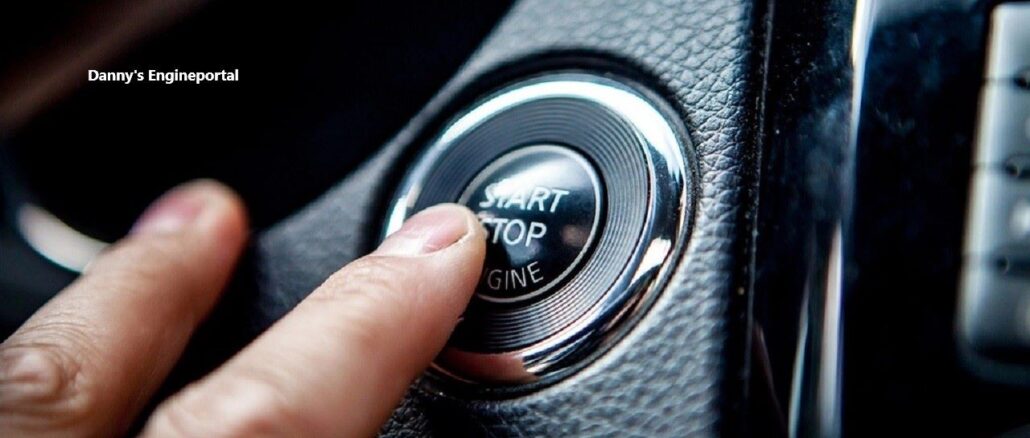
When an engine won’t start, it usually means one of the essential systems required for combustion is not working properly.
This can range from a simple battery issue to more complex problems involving fuel delivery, ignition, or internal engine components.
Understanding why your engine won’t start begins by identifying whether the engine is cranking (turning over) or not cranking at all.
In this guide, you’ll learn the most common causes of no-start conditions, how to diagnose them step-by-step, and what to check before replacing parts.
What Does “Engine Won’t Start” Mean?
A no-start condition occurs when the engine fails to run after turning the key or pressing the start button.
There are two main types of no-start problems:
- No Crank – The engine does not turn over
- Crank No Start – The engine turns over but will not fire
Identifying which condition you have is the first step in diagnosing the problem.
Common Symptoms of a No-Start Condition
- Engine does not turn over
- Engine cranks but won’t start
- Clicking sound when turning the key
- Long cranking time before starting
- Intermittent starting problems
Common Causes of an Engine That Won’t Start
Each of these systems must work together for the engine to start, and a failure in any one of them can result in a no-start condition.
Electrical & Starting System Problems
- Dead or weak battery
- Corroded battery terminals
- Faulty starter motor
- Bad ignition switch
Ignition System Problems
- Worn spark plugs
- Faulty ignition coils
- Failed crankshaft or camshaft sensor
Fuel System Problems
- Failed fuel pump
- Clogged fuel filter
- Faulty fuel injectors
- Low fuel pressure
Mechanical Engine Problems
- Low compression
- Broken timing belt or chain
- Head gasket failure
Engine Cranks But Won’t Start
This is one of the most common no-start conditions and usually points to a problem with fuel delivery, ignition, or compression.
Common causes include:
- No fuel delivery
- No spark
- Incorrect air-fuel mixture
- Sensor failure
Engine Won’t Crank
If the engine does not turn over at all, focus on the starting system.
Common causes include:
- Dead battery
- Faulty starter motor
- Bad starter relay
- Wiring issues
How to Diagnose a No-Start Condition
Follow this basic diagnostic process:
1. Check Battery Condition
- Ensure battery is charged
- Inspect terminals for corrosion
2. Determine Crank vs No Crank
- No crank → electrical issue
- Crank no start → fuel/ignition/mechanical
3. Check for Spark
- Inspect spark plugs
- Test ignition system
4. Check Fuel Delivery
- Listen for fuel pump
- Test fuel pressure
5. Check Compression
- Perform compression test
- Verify timing
Can a No-Start Condition Fix Itself?
No. A no-start condition usually indicates a failure in one or more systems. While intermittent issues may temporarily disappear, the root cause remains and will return.
If your engine won’t start, it’s important to diagnose the problem rather than repeatedly attempting to start it, as this can worsen certain issues.
Common No-Start Scenarios
Cold Start Problems
Often related to fuel delivery, sensors, or air-fuel mixture.
Intermittent No Start
Can be caused by electrical faults, relays, or failing sensors.
Crank No Start
Usually related to ignition, fuel, or compression issues.
Preventing No-Start Problems
- Maintain battery and charging system
- Replace spark plugs at recommended intervals
- Keep fuel system clean
- Address warning signs early
- Perform regular maintenance
Frequently Asked Questions
Why does my engine crank but not start?
This is usually caused by a lack of fuel, spark, or compression.
What is the most common cause of a no-start condition?
A weak battery or faulty fuel pump are among the most common causes.
Can sensors cause a no-start condition?
Yes. Faulty crankshaft or camshaft sensors can prevent the engine from starting.
No-start problems are typically caused by electrical, ignition, fuel, or mechanical failures, and identifying which system is at fault is the key to accurate diagnosis.
Conclusion
An engine that won’t start can be frustrating, but most problems can be diagnosed by following a logical process. By identifying whether the issue is electrical, fuel-related, ignition-related, or mechanical, you can narrow down the cause and avoid unnecessary part replacements.