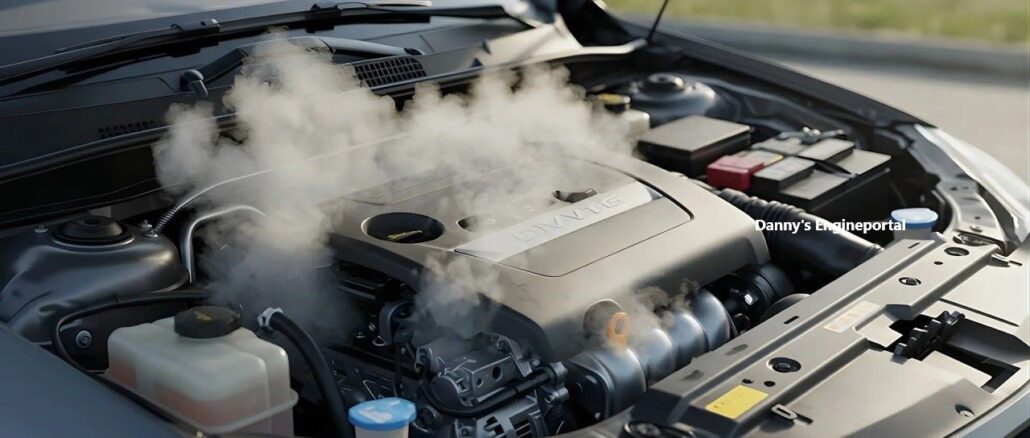
Engine overheating happens when your engine exceeds its normal operating temperature range.
When this occurs, it can quickly lead to serious damage such as a blown head gasket, warped cylinder head, or even complete engine failure.
Maintaining a stable engine temperature is critical for proper emissions, fuel economy, and performance.
In this guide, you’ll learn the most common causes of engine overheating, how to diagnose the issue, and what steps to take to fix it before major damage occurs.
What Causes Engine Overheating?
The most common causes of engine overheating include:
- Low coolant level or coolant leaks
- Thermostat failure
- Radiator blockage or restricted airflow
- Water pump failure
- Cooling fan problems
- Faulty radiator cap
“Each of these problems affects how heat is managed inside the engine, either by reducing coolant flow, limiting heat transfer, or restricting airflow.”
Why Engine Temperature Matters
A typical 50/50 mixture of water and ethylene glycol antifreeze boils at about 225°F without pressure. With a sealed system and a 15 psi radiator cap, the boiling point increases to approximately 265°F.
Although higher antifreeze concentrations can raise the boiling point even further, running an engine at excessive temperatures is still dangerous.
Modern engines have tighter tolerances, including:
- Piston-to-cylinder clearances
- Valve-to-guide clearances
- Aluminum cylinder heads
These components are far less tolerant of heat than older engine designs.
Symptoms of Engine Overheating
Common warning signs include:
- Temperature gauge rising into the red
- Steam coming from under the hood
- Coolant smell
- Loss of power
- Engine knocking or pinging
What Happens When an Engine Overheats
Overheating can lead to serious internal damage:
Detonation
Excess heat and pressure can cause fuel to ignite prematurely, leading to knocking and loss of power.
Pre-ignition
Hot spots inside the combustion chamber ignite fuel too early, causing severe engine damage.
Engine Damage
- Burned pistons
- Damaged piston rings
- Worn bearings
Cylinder Head Damage
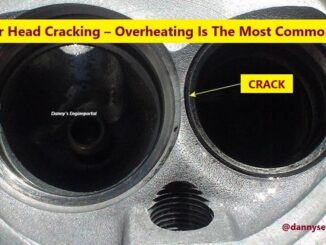
Aluminum expands faster than cast iron, which can:
- Warp the cylinder head
- Crush the head gasket
- Cause coolant leaks
Common Causes of Engine Overheating
Anything that reduces the cooling system’s ability to absorb, transport, or dissipate heat can cause overheating:
- Low coolant levels
- Internal deposits blocking heat transfer
- Poor airflow through the radiator
- Failed cooling fan
- Collapsed radiator hose
- Worn water pump impeller
Heat must constantly move from hot engine components into circulating coolant. If coolant flow stops or heat cannot be dissipated, temperatures rise quickly.
How to Diagnose Engine Overheating
Follow these steps:
1. Check Coolant Level
Low coolant is the most common cause.
2. Inspect for Leaks
Check:
- Hoses
- Radiator
- Water pump
- Heater core
Pressure testing can reveal hidden leaks.
3. Test the Thermostat
If it doesn’t open, coolant flow is blocked.
4. Check Cooling Fan Operation
- Mechanical fan clutch
- Electric fan and relay
5. Inspect Radiator Condition
- Clogged fins
- Internal blockage
6. Check Water Pump
- Leaks
- Shaft wobble
- Poor circulation
How to Fix Engine Overheating
Depending on the cause, repairs may include:
- Refilling or replacing coolant
- Repairing leaks
- Replacing the thermostat
- Cleaning or replacing the radiator
- Replacing the water pump
- Repairing the cooling fan
Can You Drive With an Overheating Engine?
No — driving with an overheating engine can quickly cause severe damage.
“If your engine is overheating, you should stop driving immediately to prevent severe engine damage.”
Even a short drive can result in:
- Warped cylinder head
- Blown head gasket
- Engine seizure
Additional Causes Often Overlooked
- Clogged catalytic converter
- Incorrect ignition timing
- Dragging brakes
- Excessive engine load
These issues can increase heat and contribute to overheating.
Cooling System Maintenance Tips
- Replace coolant regularly
- Maintain a 50/50 coolant mixture
- Inspect hoses and belts
- Ensure the system is properly filled (no air pockets)
Poor maintenance is one of the most common causes of overheating.
“Overheating problems are often preventable with proper maintenance and early diagnosis.”
Conclusion
Engine overheating should never be ignored. By identifying the cause early and taking the proper steps to fix it, you can prevent serious engine damage and costly repairs.
Regular maintenance and proper diagnosis are the keys to keeping your engine running at a safe operating temperature.
Thanks for reading!