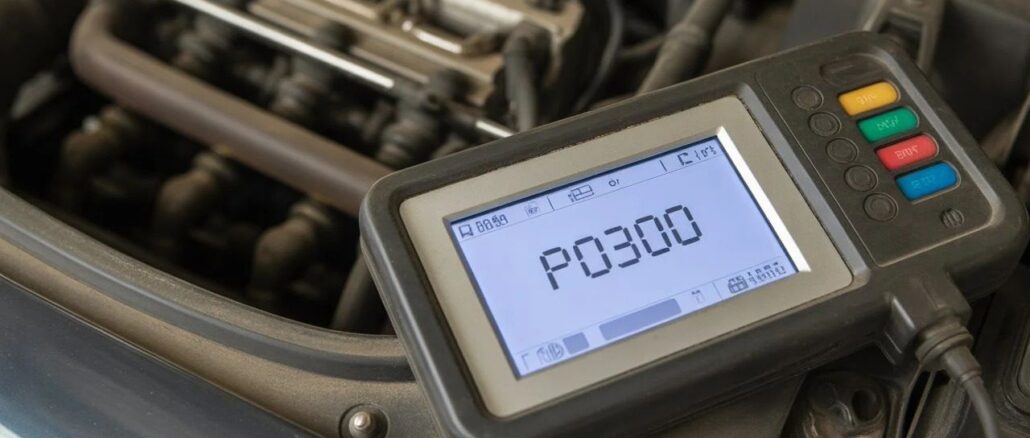
An engine misfire occurs when one or more cylinders fail to burn the air-fuel mixture properly.
This disrupts engine balance, reduces power, and can lead to serious damage if not diagnosed and repaired quickly.
Misfires can be caused by problems with ignition, fuel delivery, air intake, or internal engine components.
In this guide, you’ll learn the most common causes of engine misfires, how to diagnose them, and what damage they can cause if ignored.
What Is an Engine Misfire?
An engine misfire happens when combustion in a cylinder is incomplete or fails entirely. Instead of producing power, that cylinder contributes little or nothing, causing the engine to run rough.
Misfires can be:
- Constant (always present)
- Intermittent (comes and goes)
- Load-related (under acceleration)
- Temperature-related (cold start vs warm engine)
Symptoms of Engine Misfire
Common signs of a misfire include:
- Rough idle
- Engine hesitation or stumbling
- Loss of power
- Poor fuel economy
- Engine vibration
- Flashing or steady check engine light
What Causes an Engine Misfire?
Engine misfires fall into four main categories:
Ignition System Problems
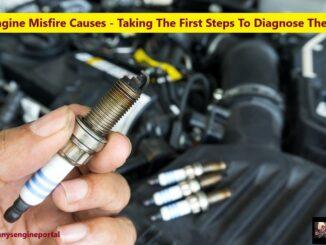
- Worn spark plugs
- Faulty ignition coils
- Damaged plug wires
Fuel System Problems
- Clogged or leaking fuel injectors
- Low fuel pressure
- Dirty fuel system
Air & Intake Issues
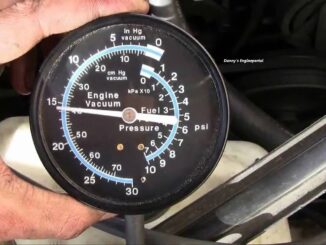
- Vacuum leaks
- Dirty mass airflow sensor
- Intake manifold leaks
Mechanical Engine Problems
- Low compression
- Burned valves
- Worn piston rings
- Head gasket failure
Each category points to a different system in the engine, which helps narrow down the root cause during diagnosis.
How to Diagnose an Engine Misfire
Diagnosing a misfire requires a systematic approach:
1. Scan for Trouble Codes
Use an OBD scanner to identify misfire codes such as:
- P0300 (random misfire)
- P0301–P0308 (specific cylinder misfire)
2. Inspect Ignition Components
- Check spark plugs for wear
- Test ignition coils
- Inspect wiring connections
3. Check Fuel Delivery
- Test fuel pressure
- Inspect injectors
- Listen for injector operation
4. Check for Air Leaks
- Inspect vacuum hoses
- Test intake system for leaks
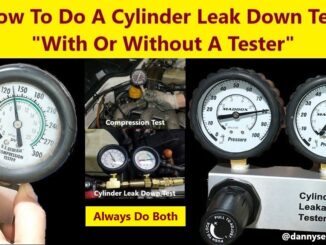
5. Perform Compression Testing
- Check cylinder compression
- Perform leak-down test if needed
Can You Drive With an Engine Misfire?
No — driving with a misfire can cause serious damage.
A misfiring cylinder allows unburned fuel to enter the exhaust system, which can overheat and damage the catalytic converter.
Even a short drive can lead to:
- catalytic converter failure
- increased engine wear
- reduced performance
If your engine is misfiring, you should avoid driving until the issue is diagnosed and repaired.
What Damage Can an Engine Misfire Cause?
Ignoring a misfire can result in:
- Catalytic converter damage
- Engine overheating
- Cylinder wall wear
- Damaged pistons or valves
Misfires should always be diagnosed and repaired as soon as possible to prevent further damage.
Common Engine Misfire Scenarios
Cold Start Misfire
- Often caused by fuel delivery issues, sensor problems, or poor combustion during warm-up.
Random Misfire (P0300)
- Usually harder to diagnose and may involve multiple systems such as ignition, fuel, or air intake.
Single Cylinder Misfire
- Typically ignition or injector related
Preventing Engine Misfires
- Replace spark plugs at recommended intervals
- Use high-quality fuel
- Maintain proper fuel pressure
- Fix vacuum leaks early
- Keep sensors clean and functioning
Frequently Asked Questions
What is the most common cause of an engine misfire?
Worn spark plugs and faulty ignition coils are the most common causes.
Can a misfire fix itself?
No. A misfire may temporarily disappear, but the underlying issue remains.
Will a misfire damage my engine?
Yes. Continued driving can lead to serious engine and catalytic converter damage.
Engine misfires are typically caused by ignition, fuel, air, or mechanical issues, and identifying the correct system is the key to accurate diagnosis.
Conclusion
An engine misfire is a clear sign that something is wrong and should never be ignored. By identifying the cause early and following a systematic diagnostic approach, you can prevent costly repairs and keep your engine running smoothly.